

I was rushing to catch a train when I spilled coffee on my shirt. I felt frustrated and self-conscious. But then I remembered the small packet of wet wipes in my bag. This simple item saved my morning, and it made me wonder about their true value.
Single-use wet wipes are a modern essential because they provide immediate hygiene solutions in unpredictable situations. They are designed to be gentle on the skin while being incredibly convenient for people who are always moving. Their portability and effectiveness make them indispensable for quick clean-ups.
 We often take these small helpers for granted. Let's explore why they have become such a high-demand product and what makes a good wipe truly skin-safe. This journey will help you understand their importance beyond just a quick fix.
What Makes a Wet Wipe Truly 'Skin-Safe'?
Imagine using a wipe on a baby's skin or on a small cut. The last thing you want is a stinging sensation or a rash. The fear of harsh chemicals is real for many parents and individuals with sensitive skin. Safety is not just a feature; it's a necessity.
A truly skin-safe wet wipe avoids harsh alcohols, parabens, and aggressive preservatives. It uses purified water and mild, pH-balanced cleansing agents. The materials should be soft, non-abrasive, and hypoallergenic to prevent irritation and maintain the skin's natural barrier.
We often take these small helpers for granted. Let's explore why they have become such a high-demand product and what makes a good wipe truly skin-safe. This journey will help you understand their importance beyond just a quick fix.
What Makes a Wet Wipe Truly 'Skin-Safe'?
Imagine using a wipe on a baby's skin or on a small cut. The last thing you want is a stinging sensation or a rash. The fear of harsh chemicals is real for many parents and individuals with sensitive skin. Safety is not just a feature; it's a necessity.
A truly skin-safe wet wipe avoids harsh alcohols, parabens, and aggressive preservatives. It uses purified water and mild, pH-balanced cleansing agents. The materials should be soft, non-abrasive, and hypoallergenic to prevent irritation and maintain the skin's natural barrier.
 The term "skin-safe" involves several key factors. It's not just about what is in the wipe, but also what is left out. I learned this the hard way when I bought a cheap brand that left my skin feeling tight and dry.
First, the ingredients matter most. Look for wipes made with purified water. Avoid those with high concentrations of alcohol, as they can strip the skin of its natural oils. Fragrance-free options are generally better for sensitive skin. Some wipes include soothing ingredients like aloe vera or chamomile.
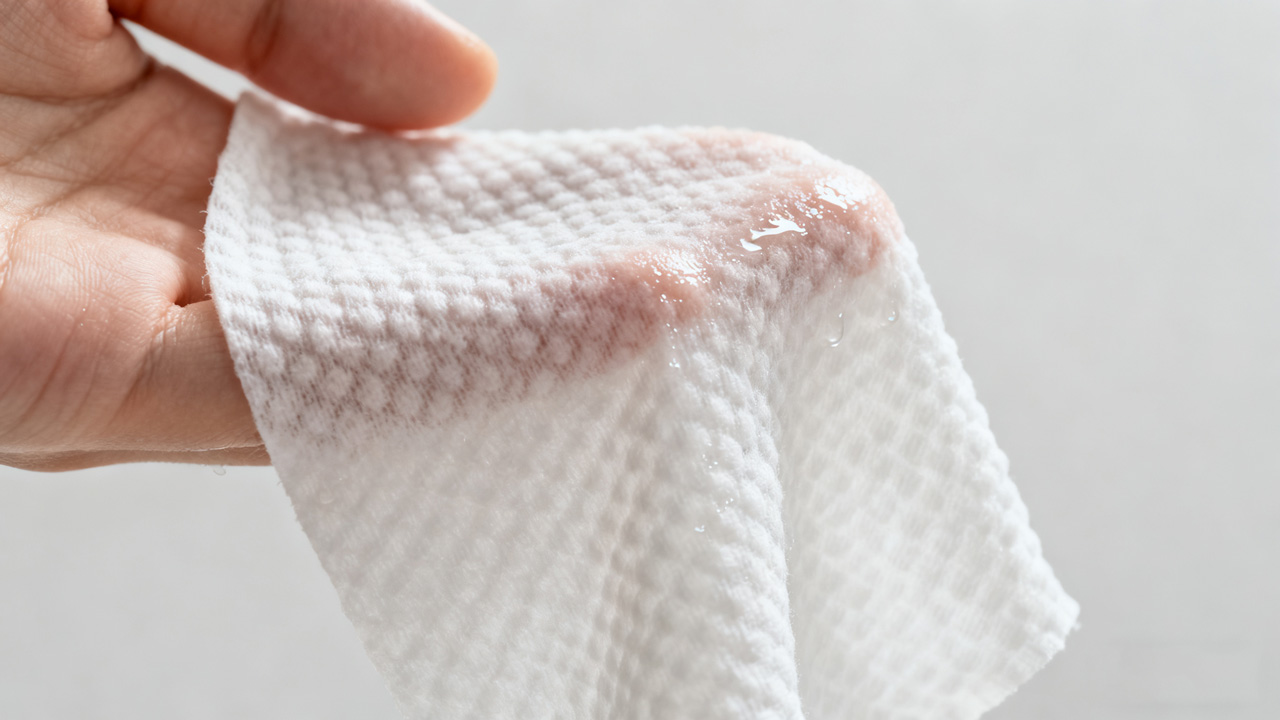
Second, the physical material is crucial. The cloth should be soft and strong. A weak wipe can tear during use, which is frustrating. It should feel gentle against the skin without any rough edges. The weave of the fabric determines both its softness and its durability.
Third, consider the pH level. Our skin has a natural acidic barrier. Wipes with a balanced pH help maintain this barrier. Using a wipe with a very high or low pH can disrupt the skin's health over time.
Here is a simple table to compare safe versus risky ingredients:
The term "skin-safe" involves several key factors. It's not just about what is in the wipe, but also what is left out. I learned this the hard way when I bought a cheap brand that left my skin feeling tight and dry.
First, the ingredients matter most. Look for wipes made with purified water. Avoid those with high concentrations of alcohol, as they can strip the skin of its natural oils. Fragrance-free options are generally better for sensitive skin. Some wipes include soothing ingredients like aloe vera or chamomile.
Second, the physical material is crucial. The cloth should be soft and strong. A weak wipe can tear during use, which is frustrating. It should feel gentle against the skin without any rough edges. The weave of the fabric determines both its softness and its durability.
Third, consider the pH level. Our skin has a natural acidic barrier. Wipes with a balanced pH help maintain this barrier. Using a wipe with a very high or low pH can disrupt the skin's health over time.
Here is a simple table to compare safe versus risky ingredients:
| Safe & Soothing Ingredients | Potentially Harsh Ingredients to Avoid |
|---|---|
| Purified Water | SD Alcohol (Drying Alcohols) |
| Aloe Vera | Synthetic Fragrances |
| Chamomile Extract | Parabens (Methylparaben, Propylparaben) |
| Vitamin E | Triclosan |
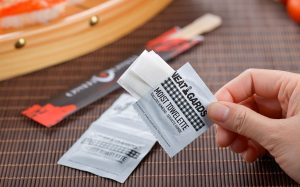
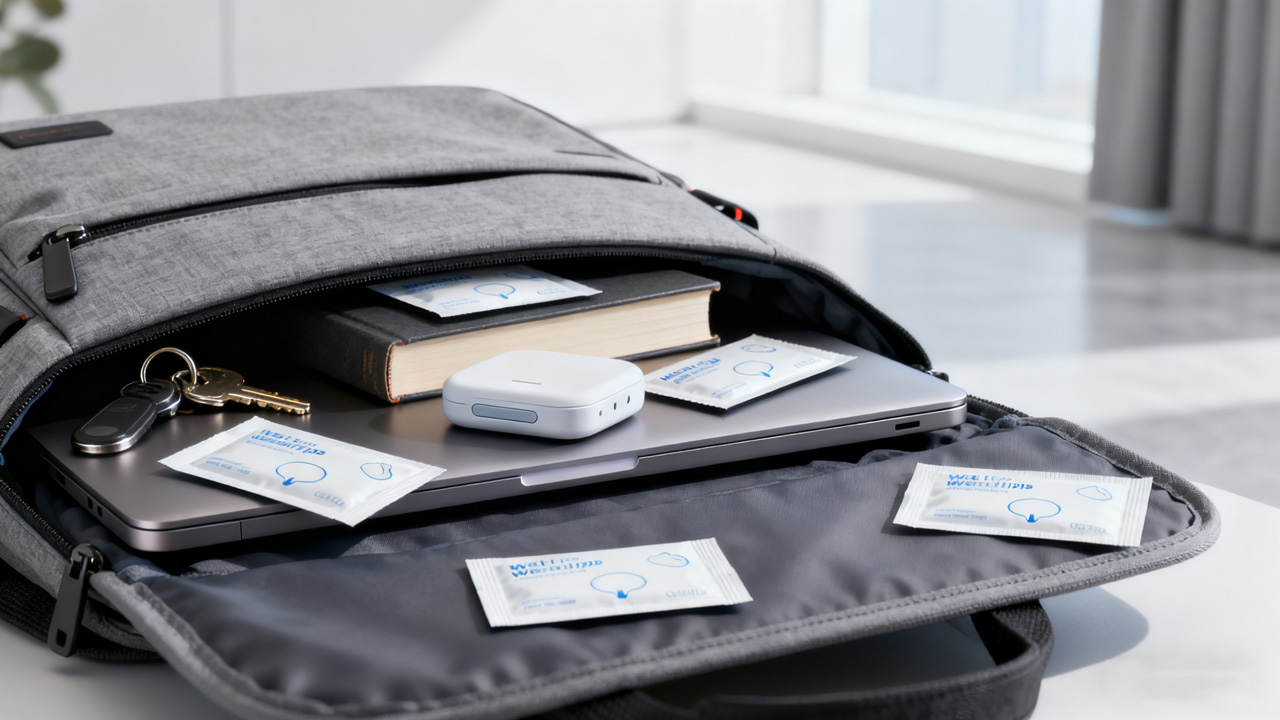 The design of these wipes is focused entirely on convenience. I remember trying to carry a bottle of hand sanitizer and a cloth; it was messy and inefficient. Single-use wipes combine the cleaning agent and the applicator into one neat package.
The primary advantage is hygiene. Each wipe is sealed in its own packet. This means it is sterile until you open it. You don't have to carry a bulky container that can leak or become contaminated. This is especially important for parents with young children.
Portability is another key factor. The packets are flat and lightweight. They take up almost no space. You can fit them into the smallest pockets of a backpack or a purse. This encourages people to carry them everywhere, promoting better hygiene habits throughout the day.
Versatility is the third pillar. These wipes aren't just for hands. I use them to clean my phone screen, wipe down a gym machine, or freshen up my face. This multi-purpose nature means you need to carry fewer items. One product solves multiple potential problems.
Here’s a breakdown of their on-the-go utility:
The design of these wipes is focused entirely on convenience. I remember trying to carry a bottle of hand sanitizer and a cloth; it was messy and inefficient. Single-use wipes combine the cleaning agent and the applicator into one neat package.
The primary advantage is hygiene. Each wipe is sealed in its own packet. This means it is sterile until you open it. You don't have to carry a bulky container that can leak or become contaminated. This is especially important for parents with young children.
Portability is another key factor. The packets are flat and lightweight. They take up almost no space. You can fit them into the smallest pockets of a backpack or a purse. This encourages people to carry them everywhere, promoting better hygiene habits throughout the day.
Versatility is the third pillar. These wipes aren't just for hands. I use them to clean my phone screen, wipe down a gym machine, or freshen up my face. This multi-purpose nature means you need to carry fewer items. One product solves multiple potential problems.
Here’s a breakdown of their on-the-go utility:
| Situation | How a Single-Use Wipe Helps |
|---|---|
| Public Transportation | Clean hands after holding poles or seats. |
| Eating Outdoors | Wipe hands before and after a meal without needing a sink. |
| Traveling | Freshen up face and hands during a long journey. |
| Workplace | Quickly clean a desk or keyboard. |
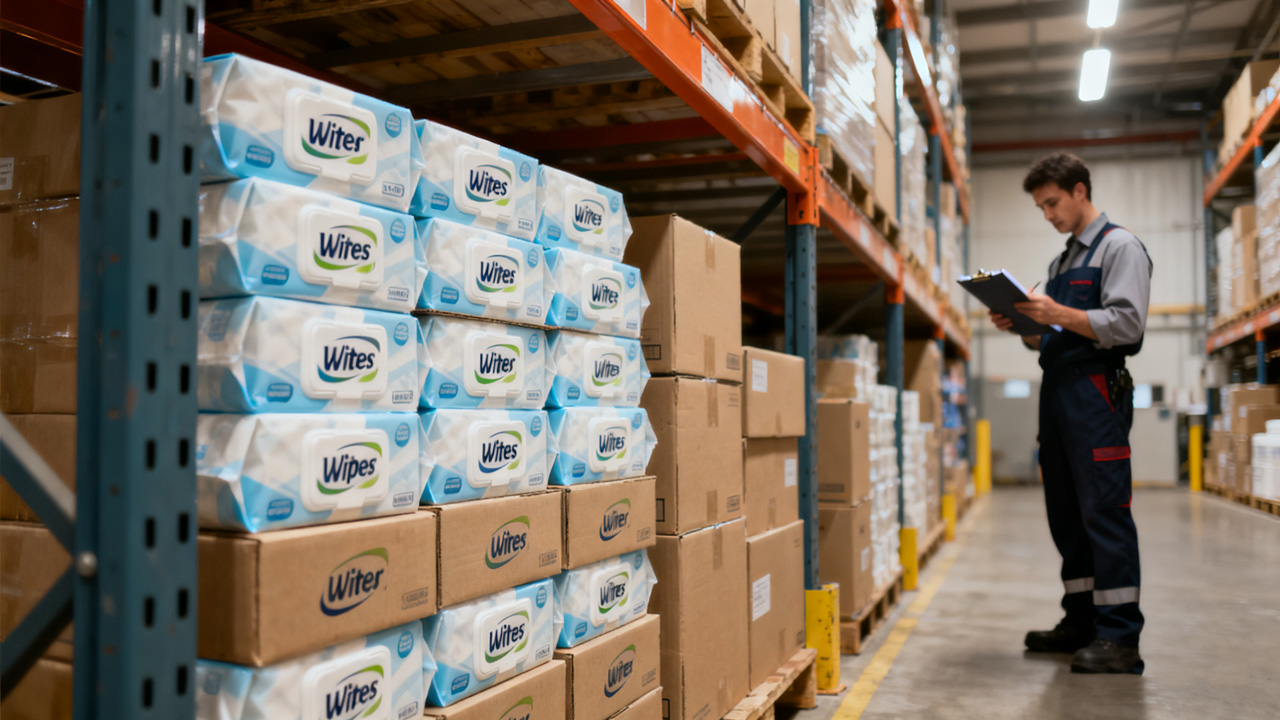 The evolution of wet wipes is a fascinating story. Initially, they were a niche product for baby care. The idea was to provide a simple way for parents to clean their infants when away from home. The core benefit was convenience.
Then, a significant shift occurred. Adults began to see the value for themselves. People started using them after workouts, during travel, or at work. The market expanded to include facial wipes, makeup remover wipes, and antibacterial hand wipes. This was the first major wave of demand growth.
A pivotal moment was the increased global awareness of hygiene. Health events made people more conscious of germs on surfaces and hands. The need for immediate, accessible cleaning solutions became a priority for everyone, not just parents. This pushed demand to new heights.
Manufacturers responded with better products. They developed wipes with advanced materials that were stronger and softer. They created formulas without alcohol to be gentler on the skin. They also improved packaging to be even more portable and eco-friendlier where possible.
The table below shows the expansion of wipe categories over time:
The evolution of wet wipes is a fascinating story. Initially, they were a niche product for baby care. The idea was to provide a simple way for parents to clean their infants when away from home. The core benefit was convenience.
Then, a significant shift occurred. Adults began to see the value for themselves. People started using them after workouts, during travel, or at work. The market expanded to include facial wipes, makeup remover wipes, and antibacterial hand wipes. This was the first major wave of demand growth.
A pivotal moment was the increased global awareness of hygiene. Health events made people more conscious of germs on surfaces and hands. The need for immediate, accessible cleaning solutions became a priority for everyone, not just parents. This pushed demand to new heights.
Manufacturers responded with better products. They developed wipes with advanced materials that were stronger and softer. They created formulas without alcohol to be gentler on the skin. They also improved packaging to be even more portable and eco-friendlier where possible.
The table below shows the expansion of wipe categories over time:
| Era | Primary Use | Key Drivers of Demand |
|---|---|---|
| Early Days | Baby Care | Convenience for parents, disposable nature. |
| 2000s | Personal Care | Adult demand for convenience, travel-friendly. |
| Present Day | Health & Hygiene | Global hygiene awareness, multi-purpose utility. |