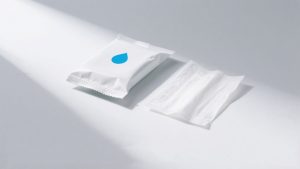


Are you struggling to decide between importing biodegradable or traditional wet wipes? The choice impacts your business, customers, and the environment. Let me help you break it down.
Biodegradable wet wipes are generally better for import despite higher costs because they meet growing eco-conscious demand and comply with tightening global regulations against plastic pollution. The shift toward sustainability makes them a future-proof investment.
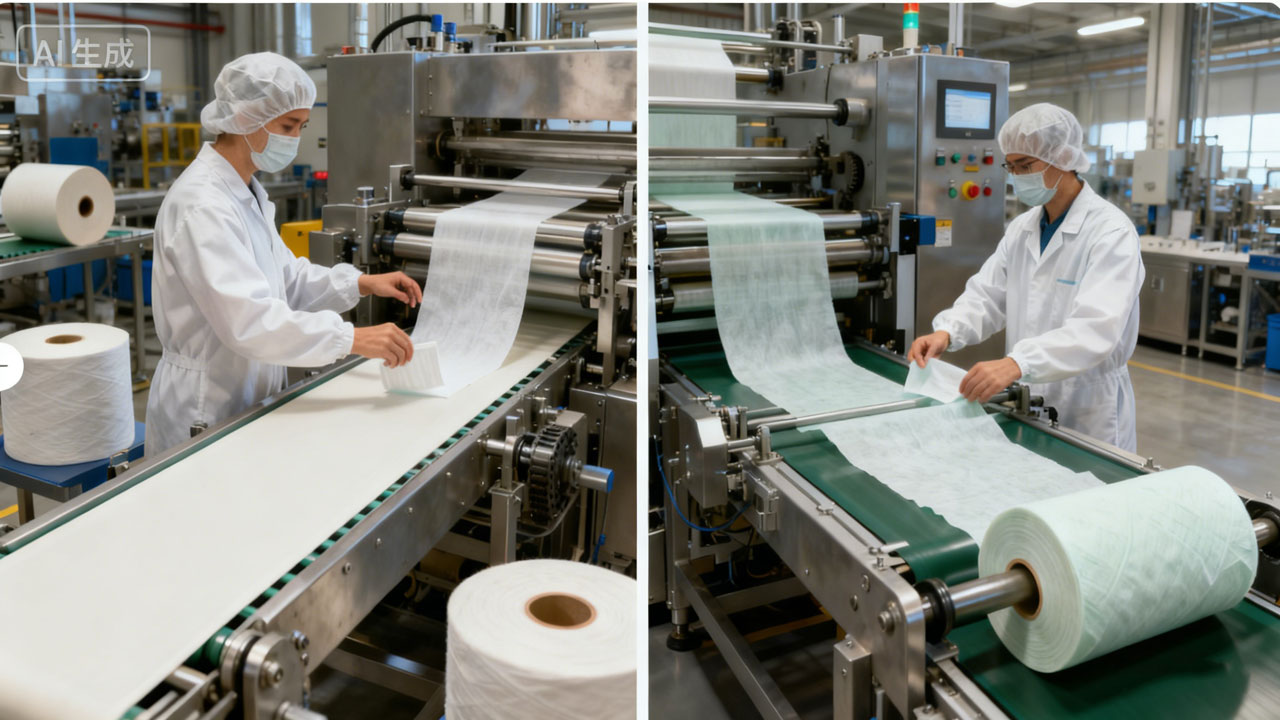 I faced this same dilemma last year when expanding my product line. The decision wasn't easy, but after thorough research, the choice became clear. Let's examine the key factors that should guide your import decision.
What Are the Environmental Impacts of Traditional Wet Wipes?
Traditional wet wipes create serious environmental problems that many importers overlook. I learned this the hard way when customers started complaining about sewer clogs. Non-biodegradable wet wipes contain plastics like polyester that can take 100+ years to decompose, creating long-term pollution and harming marine ecosystems. They're responsible for 93% of sewer blockages worldwide.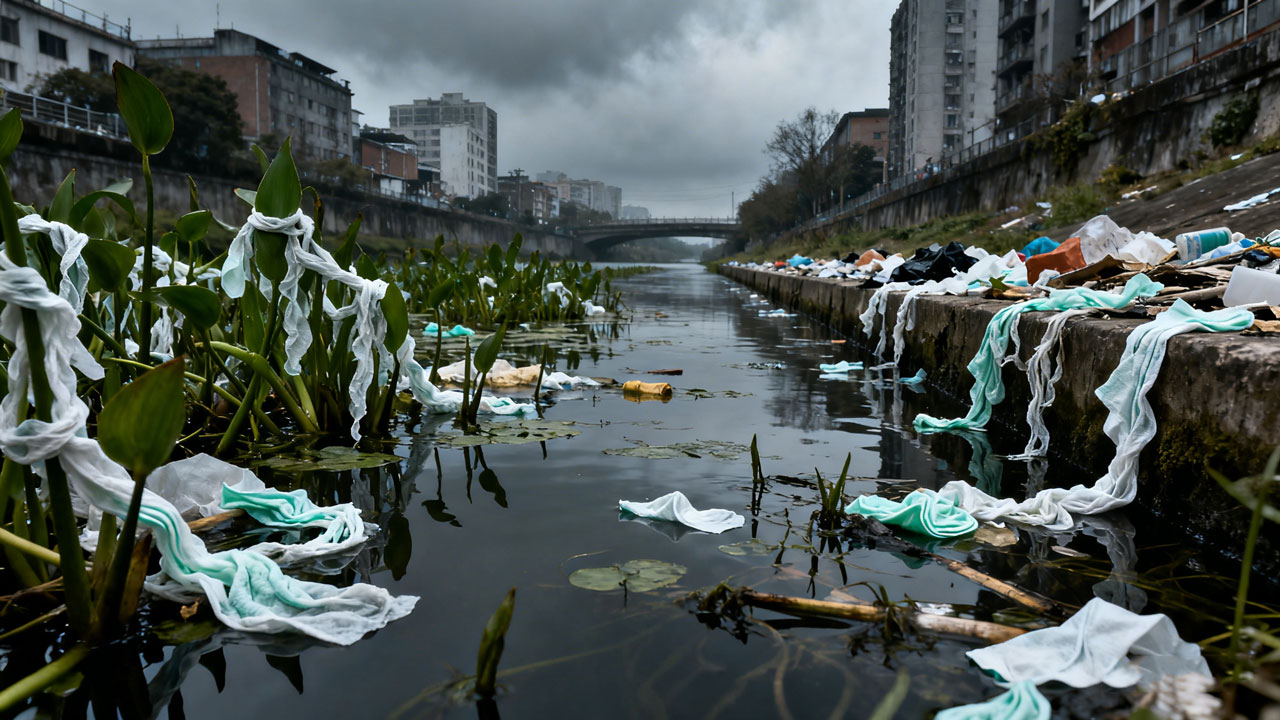 Let's dive deeper into why traditional wipes cause so many environmental issues:
- 1. Material Composition
- 2. Decomposition Timeline
| Material Type | Decomposition Time |
|---|---|
| Traditional wipes | 100+ years |
| Biodegradable wipes | 3-6 months |
- 3. Wildlife Impact
How Do Biodegradable Wet Wipes Compare Environmentally?
Switching to biodegradable options solved my environmental concerns while maintaining product quality. Here's what I discovered. Certified biodegradable wipes break down within 3-6 months using plant-based materials like bamboo or cotton that microorganisms can digest naturally. They meet strict compostability standards in most developed markets.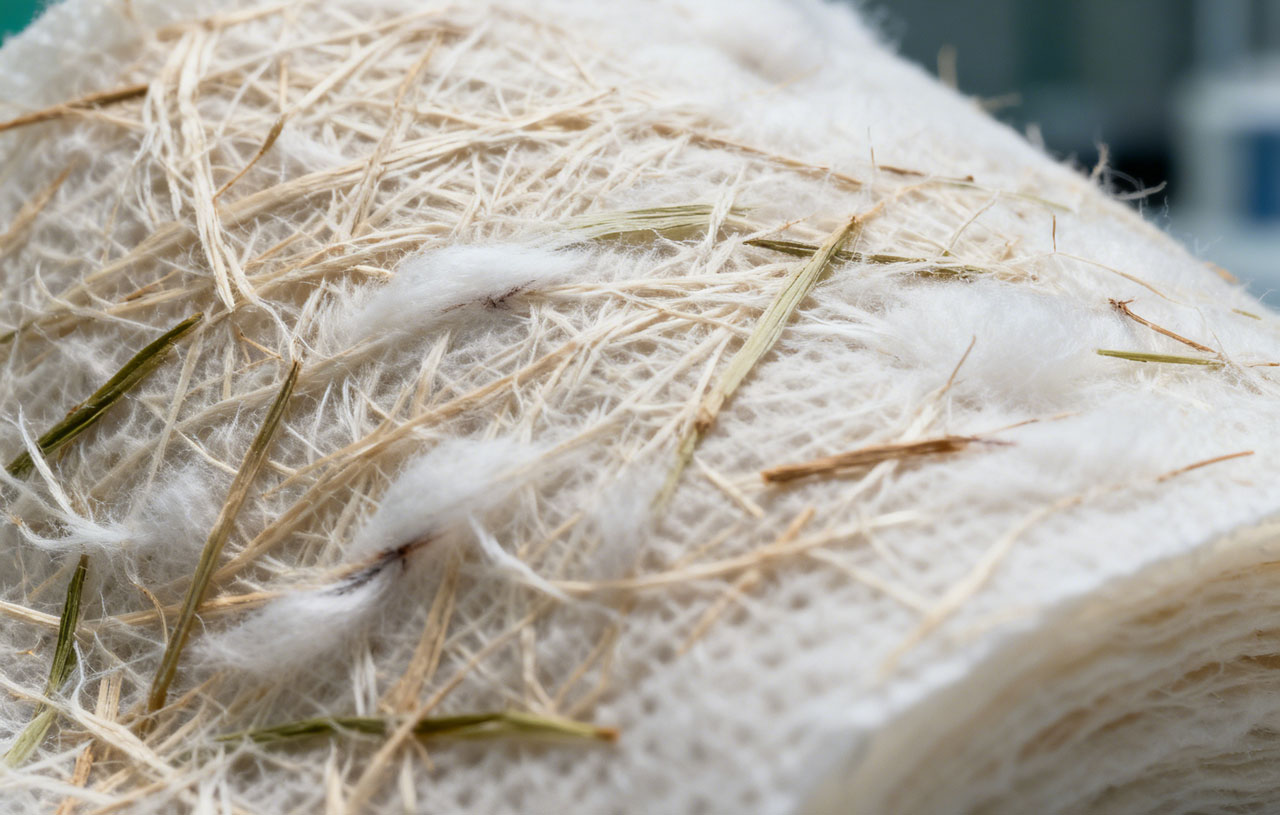 The science behind biodegradable wipes impressed me. Here are key environmental advantages:
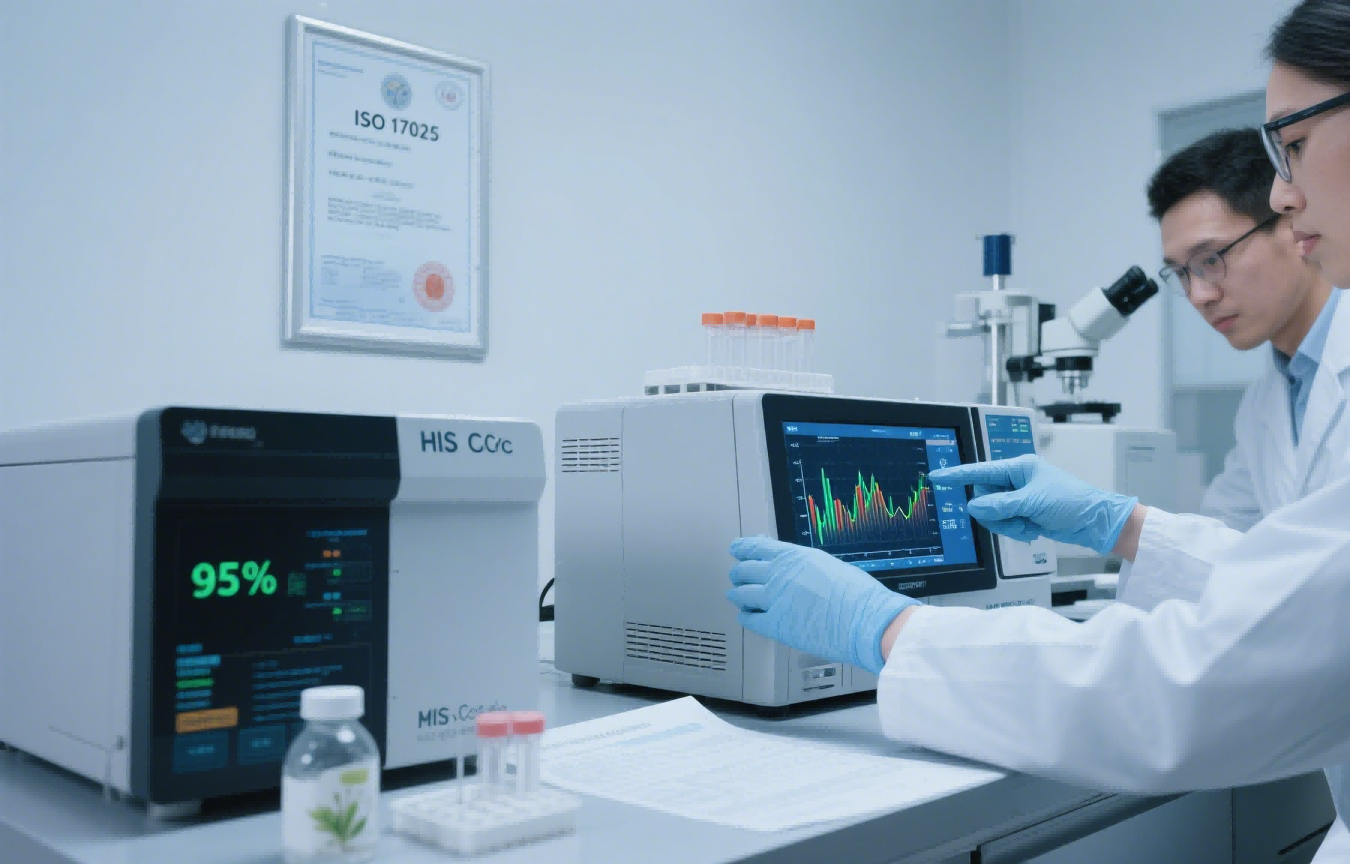
- 1. Material Breakdown
- 2. Certification Standards
- 3. Proper Disposal Requirements
What About the Cost Difference Between Wipe Types?
The price gap worried me initially, but the math works out differently than you might expect. Biodegradable wipes cost 20-30% more to produce than traditional wipes due to sustainable material costs and certification processes. However, bulk purchasing and growing demand are reducing this gap. Here's a detailed cost analysis from my importing experience:
- 1. Production Cost Breakdown
| Cost Factor | Traditional | Biodegradable |
|---|---|---|
| Raw Materials | $0.03/unit | $0.05/unit |
| Certifications | $0.01/unit | $0.03/unit |
| Transportation | Equal | Equal |
- 2. Retail Price Comparison
- 3. Long-Term Savings