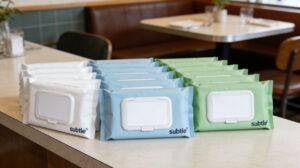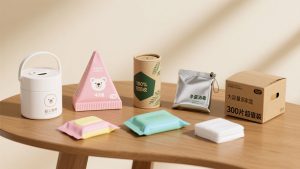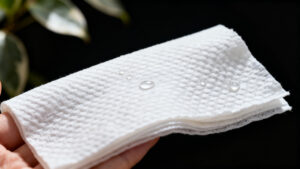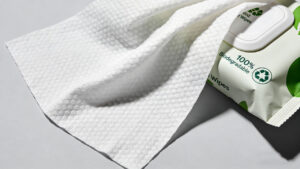


I needed a greener alternative to regular cleaning wipes. Traditional wipes left me frustrated knowing they’d sit in landfills for centuries while I was just wiping my kitchen counter. There had to be a better way – and there is.
Compostable disposable wipes are plant-based cleaning products that break down naturally, offering an eco-friendly solution for hygiene and cleaning needs at home and work. Made from materials like bamboo and wood pulp, they decompose completely unlike plastic-based wipes . I switched six months ago and haven’t looked back.
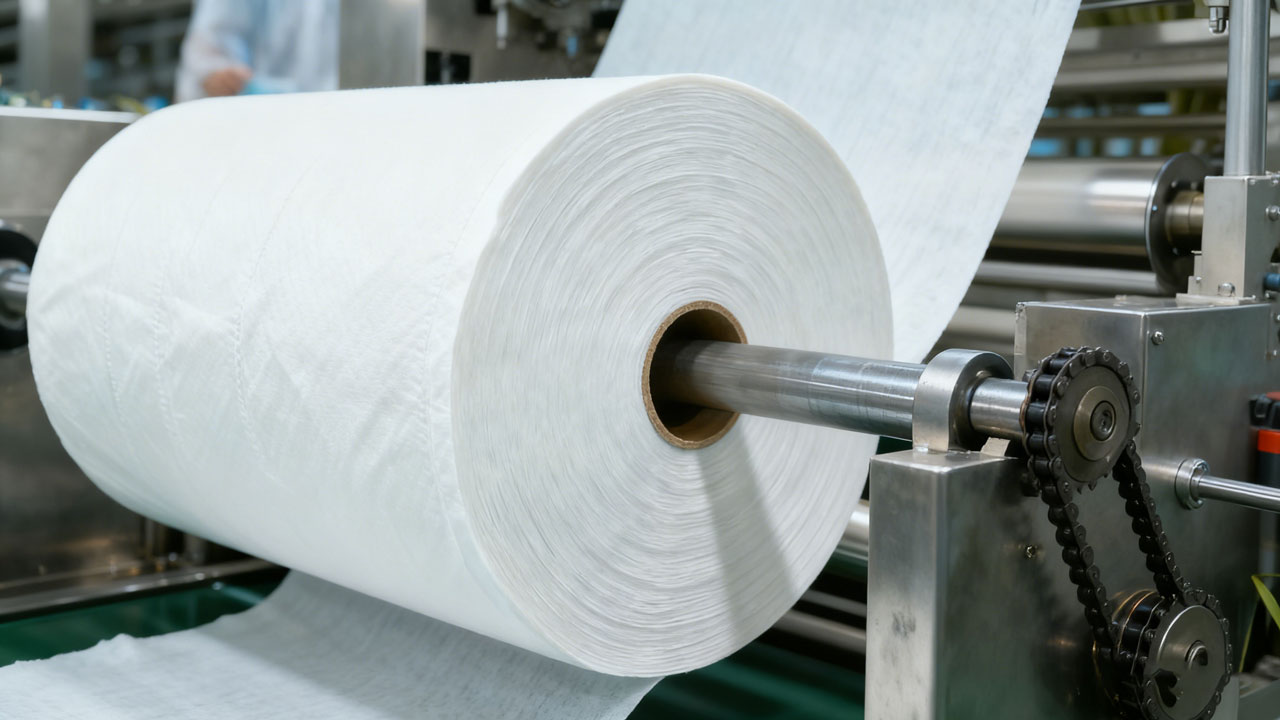 The change felt small at first. But when my compost bin turned those used wipes into soil within weeks, I knew this mattered. Businesses are noticing too – hotels now stock them in guest rooms, restaurants use them for tables, and offices keep them at desks. The market’s shifting toward sustainability, one wipe at a time.
What Exactly Are Compostable Wipes Made From?
I used to assume all “biodegradable” wipes were equal. Then I learned some still contain plastics that fragment without fully breaking down. Real compostable wipes follow stricter standards. True compostable wipes consist of plant-derived fibers like bamboo, cotton, or wood pulp bound together by natural adhesives, completely free from synthetic plastics . They pass rigorous industrial composting tests, decomposing into non-toxic components within 12 weeks under proper conditions . Here’s how their composition differs from conventional wipes:| Material | Conventional Wipes | Compostable Wipes |
|---|---|---|
| Base Fiber | Polyester/Plastic | Bamboo/Cotton |
| Bindings | Synthetic resins | Plant starches |
| Additives | Chemical preservatives | Citric acid/Vinegar |
| Breakdown Time | 100+ years | 3-12 weeks |
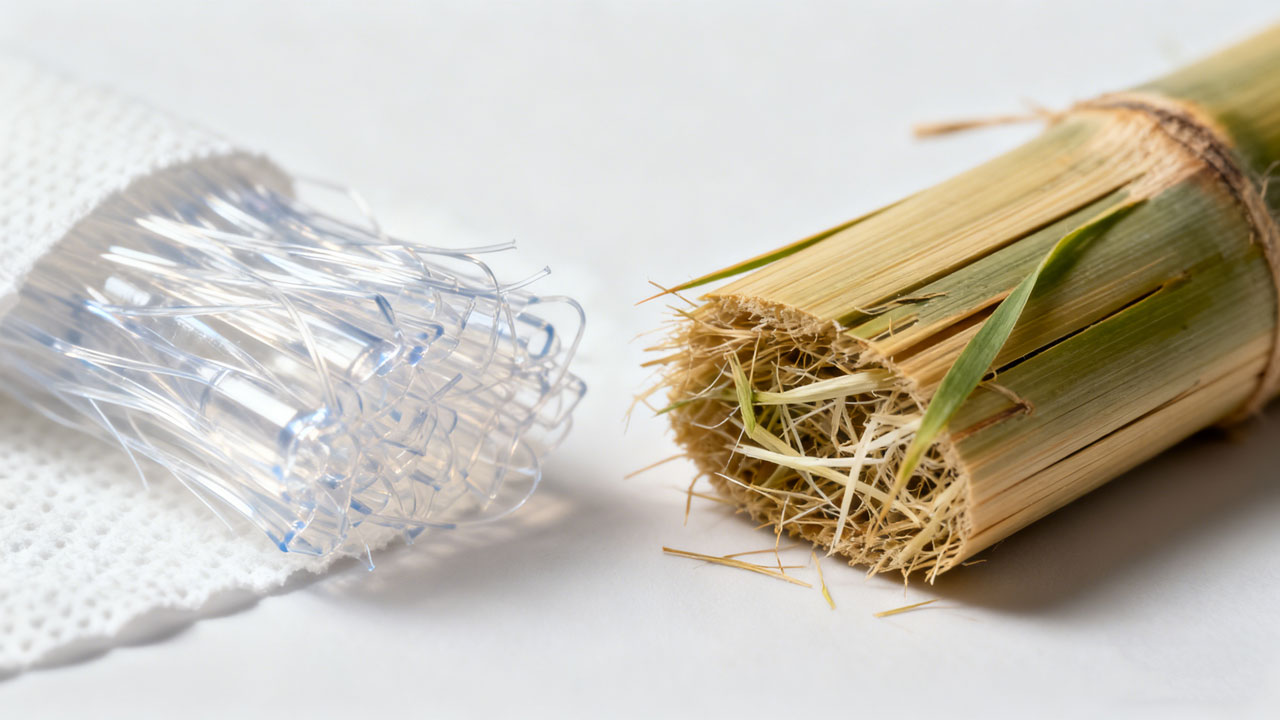 The production process matters too. Manufacturers using renewable energy and closed-loop water systems further reduce environmental impact . I verify certifications like BPI or OK Compost before purchasing – these assure genuine compostability rather than greenwashing claims.
Why Are Compostable Wipes Better for the Environment?
My local waste management service explained how traditional wipes clog machinery and linger indefinitely. Even "flushable" varieties cause problems – UK water companies report wipes comprise 93% of sewer blockages . Compostable options solve multiple issues: Compostable wipes eliminate microplastic pollution and reduce landfill mass by fully decomposing into organic matter, while conserving fossil fuels used in plastic production . Their lifecycle analysis shows significantly lower carbon footprints:- Raw Materials: Bamboo grows 1-2 inches hourly without pesticides, absorbing 35% more CO₂ than equivalent timber
- Manufacturing: Plant-based processing uses 50% less energy than plastic fabrication
- Disposal: Decomposing wipes enrich soil rather than fragmenting into persistent pollutants
How Can Households Use Compostable Wipes Daily?
My family replaced five conventional wipe products immediately:- Baby Care: Pediatrician-approved plant-based wipes for diaper changes
- Surface Cleaning: Kitchen and bathroom disinfecting wipes infused with thyme oil
- Personal Care: Makeup remover rounds and facial cleansing wipes
- Pet Care: Biodegradable paw wipes after walks
- First Aid: Sterile wound-cleaning wipes for first aid kits
 Key benefits emerged quickly:
- No more wipe-related tub clogs during bath time
- Used facial wipes go straight into the compost caddy
- Allergen-free formulas reduced skin irritations
- Knowing our cleaning routine harms zero marine life
What Business Applications Exist for Compostable Wipes?
My sister’s café became early adopters, replacing all synthetic wipes. The numbers convinced her:| Business Type | Use Case | Monthly Savings |
|---|---|---|
| Restaurants | Table sanitizing | 23% on waste costs |
| Hotels | Guest room cleaning | 17% lower procurement |
| Offices | Desk disinfecting | 31% landfill fees |
| Retail | Customer hand wipes | Enhanced green branding |
- Regulatory Compliance: Meeting single-use plastic bans effective in 127 countries
- Staff Safety: Eliminating exposure to harsh chemicals in conventional wipes
- Brand Equity: 68% of consumers prefer businesses using eco-friendly disposables
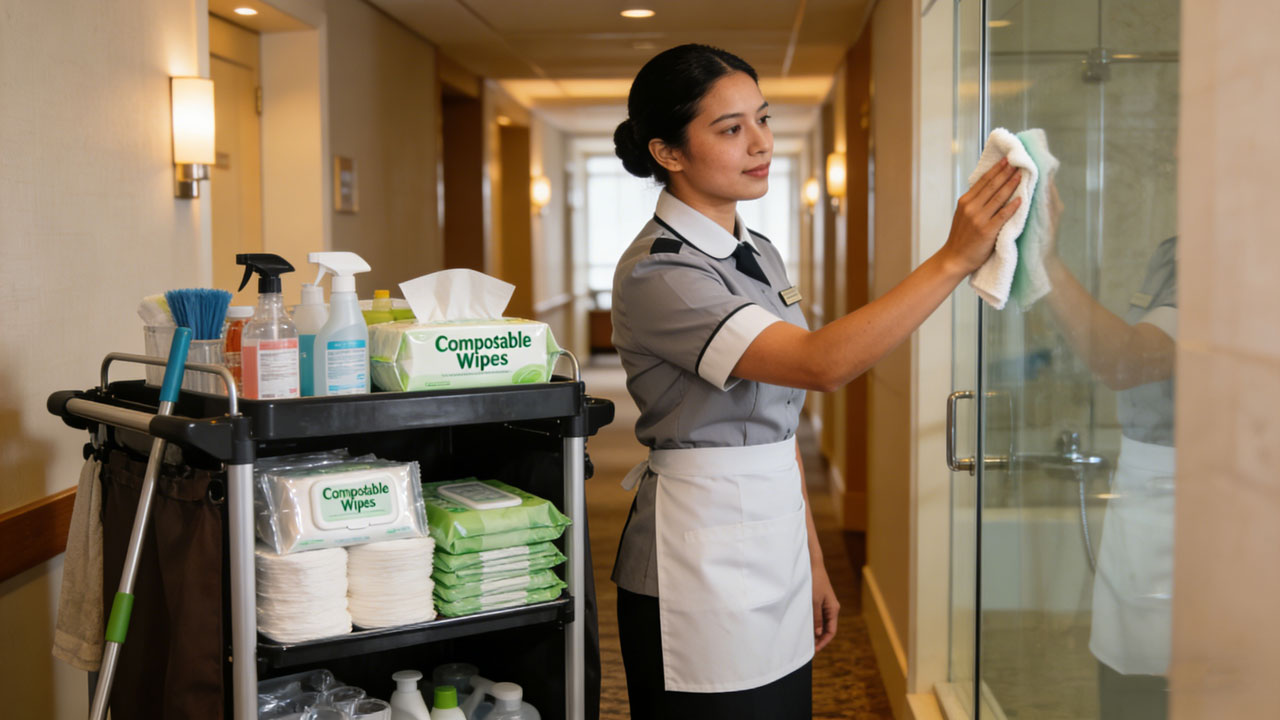 Crucially, performance doesn’t suffer. Industrial-strength compostable wipes now match conventional versions for:
- Germ kill rates (99.9% effectiveness per lab tests)
- Absorbency metrics
- Shelf stability
- Texture/durability during use