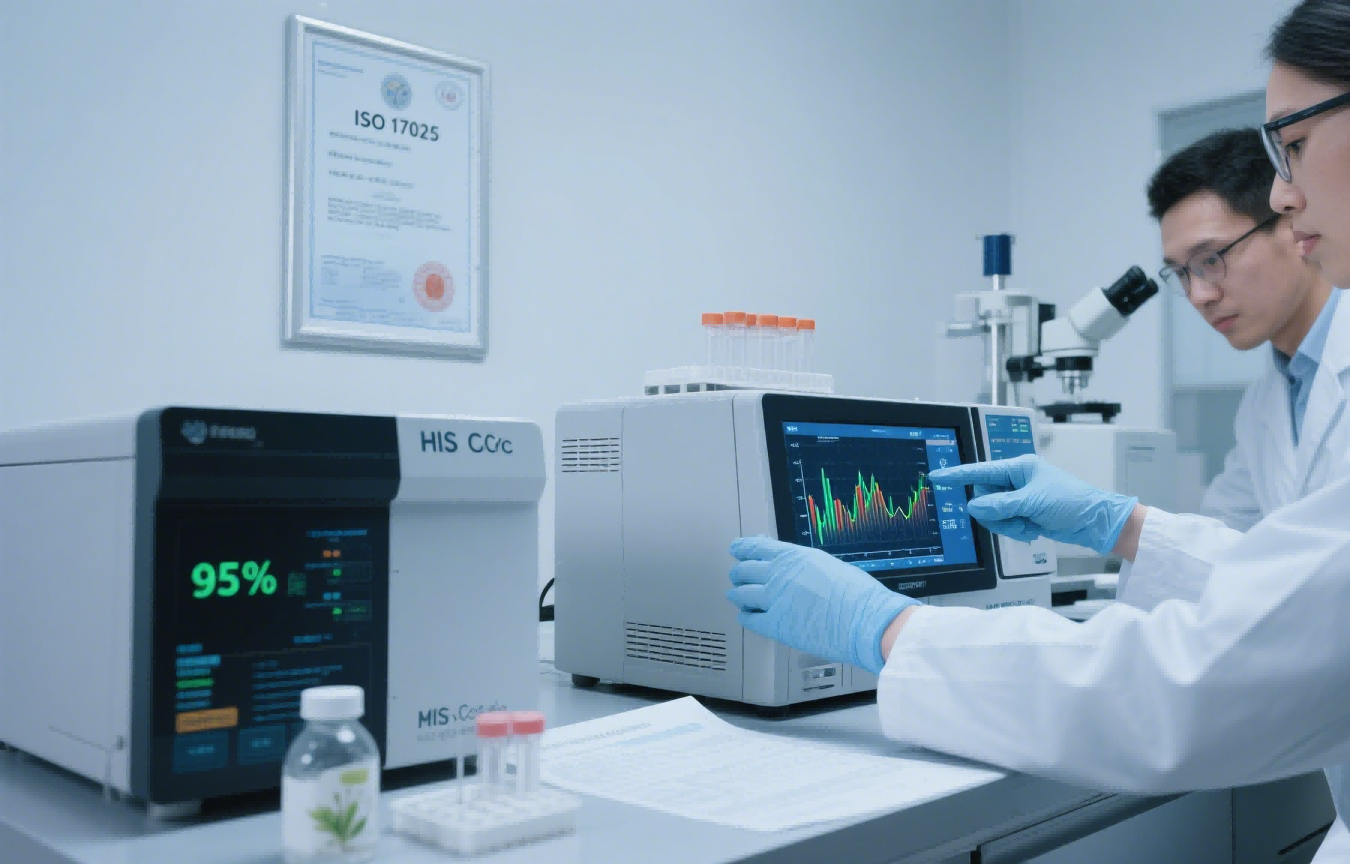


Every year, billions of disposable wipes end up in landfills. These wipes take centuries to break down and harm ecosystems. Consumers want greener options that don't sacrifice convenience.
Eco-conscious disposable wipes use biodegradable materials like bamboo fiber, organic cotton, and plant-based PLA that decompose naturally within months. Unlike traditional plastic wipes, these break down without leaving microplastics behind. Major certifications prove their environmental claims.
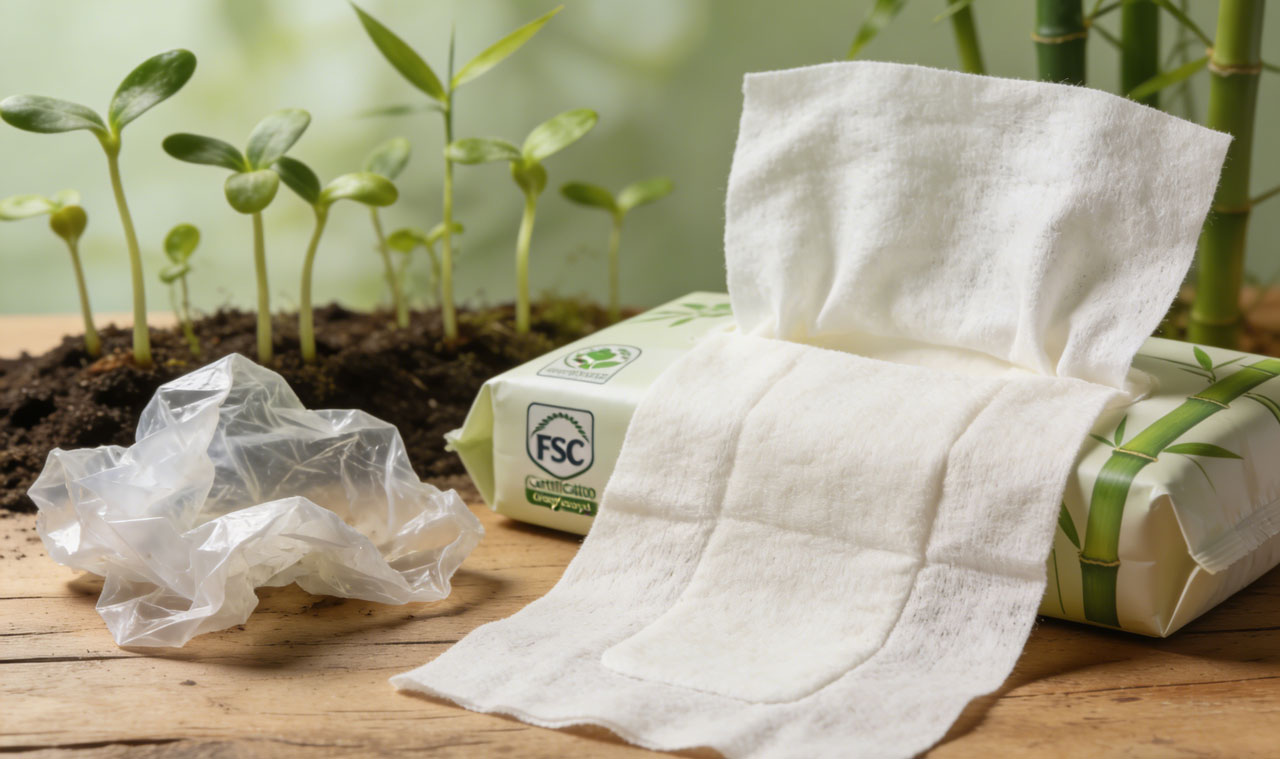 Switching to biodegradable wipes reduces plastic pollution immediately. But how do these materials actually perform? Let's examine the key options green brands use today.
What Makes Bamboo the Top Choice for Green Wipes?
Bamboo grows faster than any other plant, making it incredibly sustainable. Within months, manufacturers can turn bamboo stalks into soft, durable wipes. Bamboo fiber wipes offer superior absorbency while being naturally antibacterial and compostable. The fibers break down completely in soil within 12 weeks. Major brands prefer bamboo because it requires less water than cotton and no pesticides.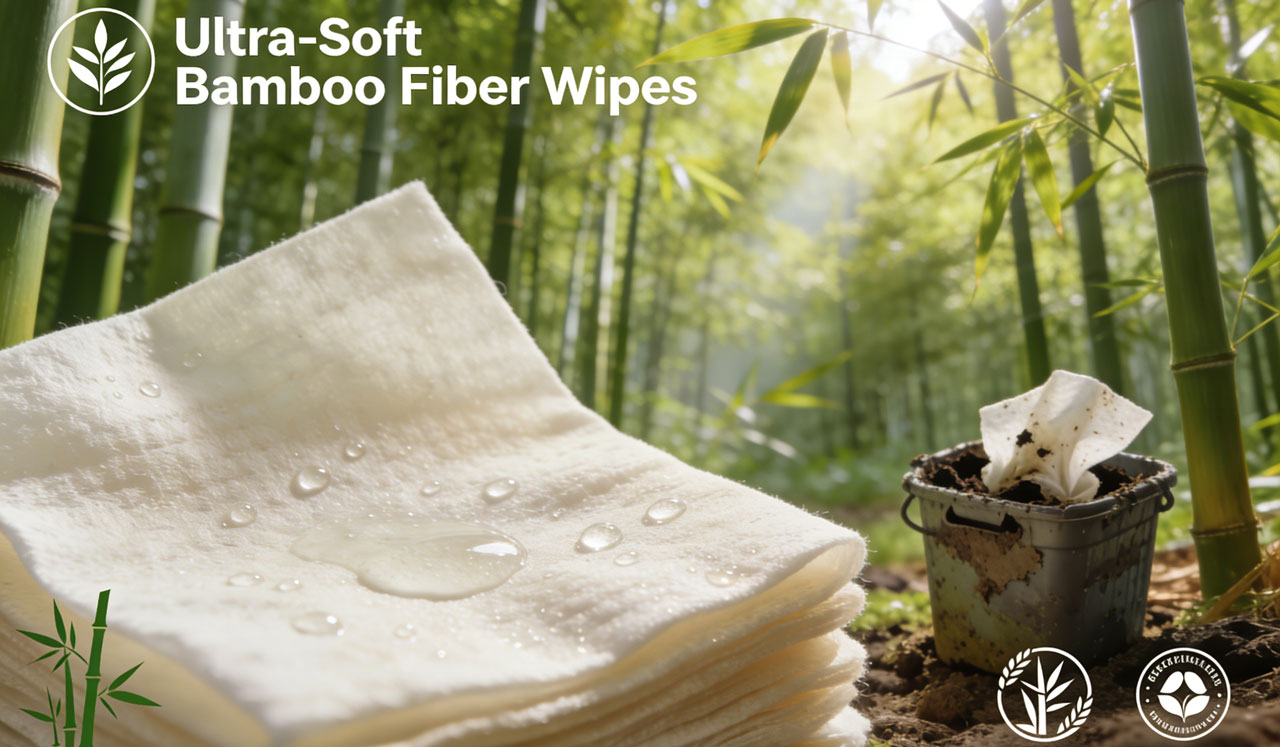 Bamboo's advantages go beyond sustainability:
| Property | Bamboo | Cotton | PLA |
|---|---|---|---|
| Decomposition Time | 3 months | 5 months | 6 months |
| Water Usage | Low | Very High | Medium |
| Carbon Footprint | 30% less | Standard | 20% less |
| Strength When Wet | Excellent | Good | Average |
How Do Brands Verify Their Biodegradable Claims?
Seeing "eco-friendly" labels everywhere creates confusion. Consumers need reliable ways to identify truly sustainable wipes. Third-party certifications like OK Compost and FSC guarantee wipes meet strict biodegradability standards. These require scientific testing proving complete breakdown within specific timeframes under composting conditions.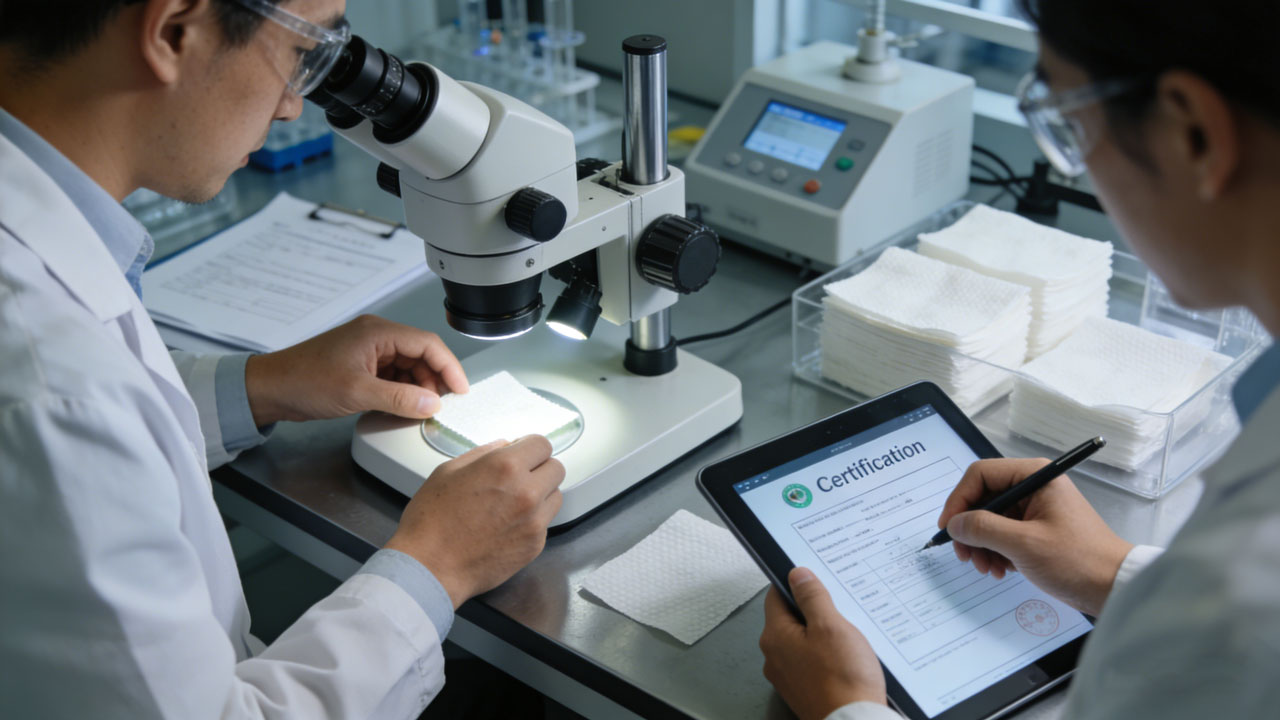 The certification process involves:
- Material Testing: Labs analyze chemical composition
- Breakdown Timeline: Measures decomposition rate
- Toxicity Check: Ensures no harmful residues
- Sustainability Audit: Reviews sourcing practices
Can Plant-Based PLA Replace Traditional Plastics?
PLA (polylactic acid) offers exciting possibilities as a cornstarch-based plastic alternative. Many green brands now incorporate it into wipe fabrics. PLA wipes provide the durability of plastic with 70% lower carbon emissions during production. They require industrial composting facilities to break down properly within 6-8 months. However, home composters may see slower decomposition.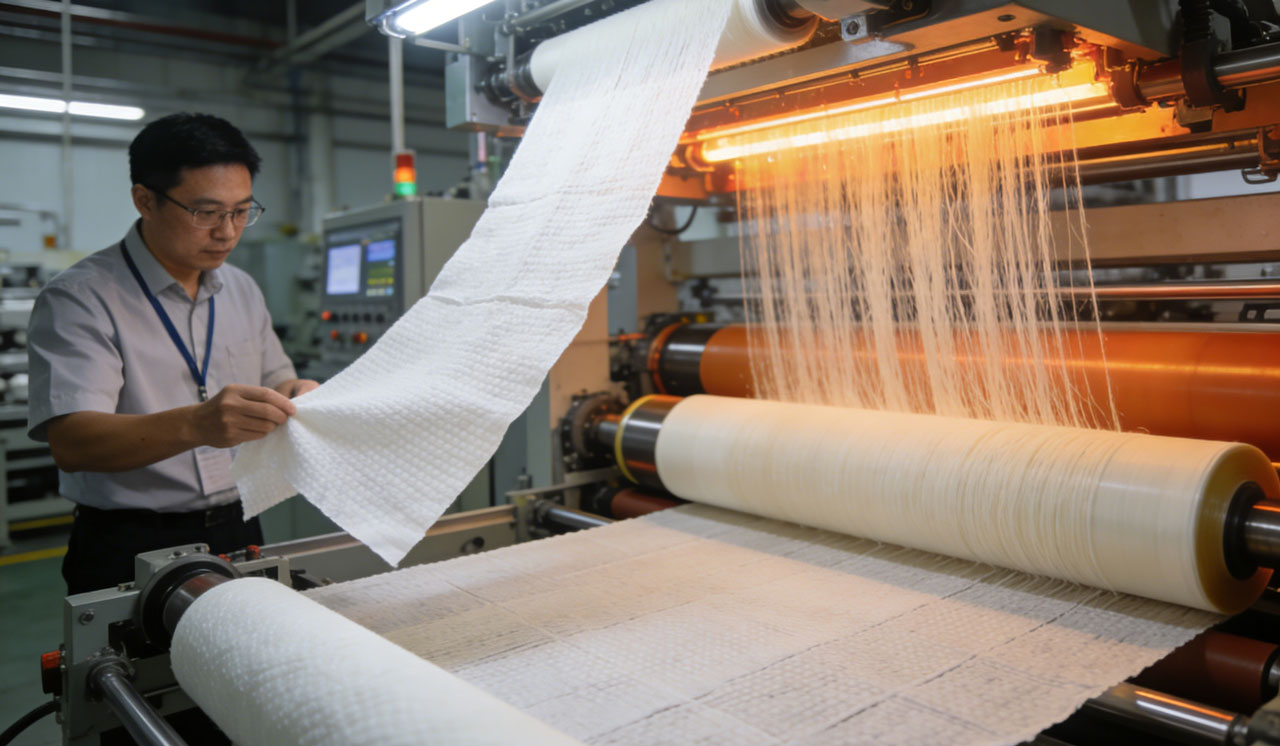 PLA's performance characteristics:
- Softness: Comparable to polyester
- Absorbency: 15% less than bamboo
- Cost: Currently 20% higher than conventional materials
- Temperature Sensitivity: Maintains integrity up to 110°F