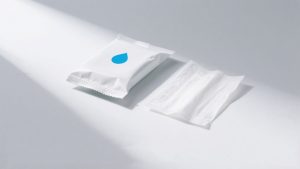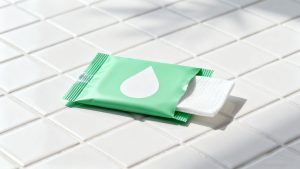


Finding the right wet wipes for different uses can be frustrating. You need products that work for hands, surfaces, and personal care without buying separate items. The market offers many options, but only a few stand out as true bestsellers that meet all these needs effectively.
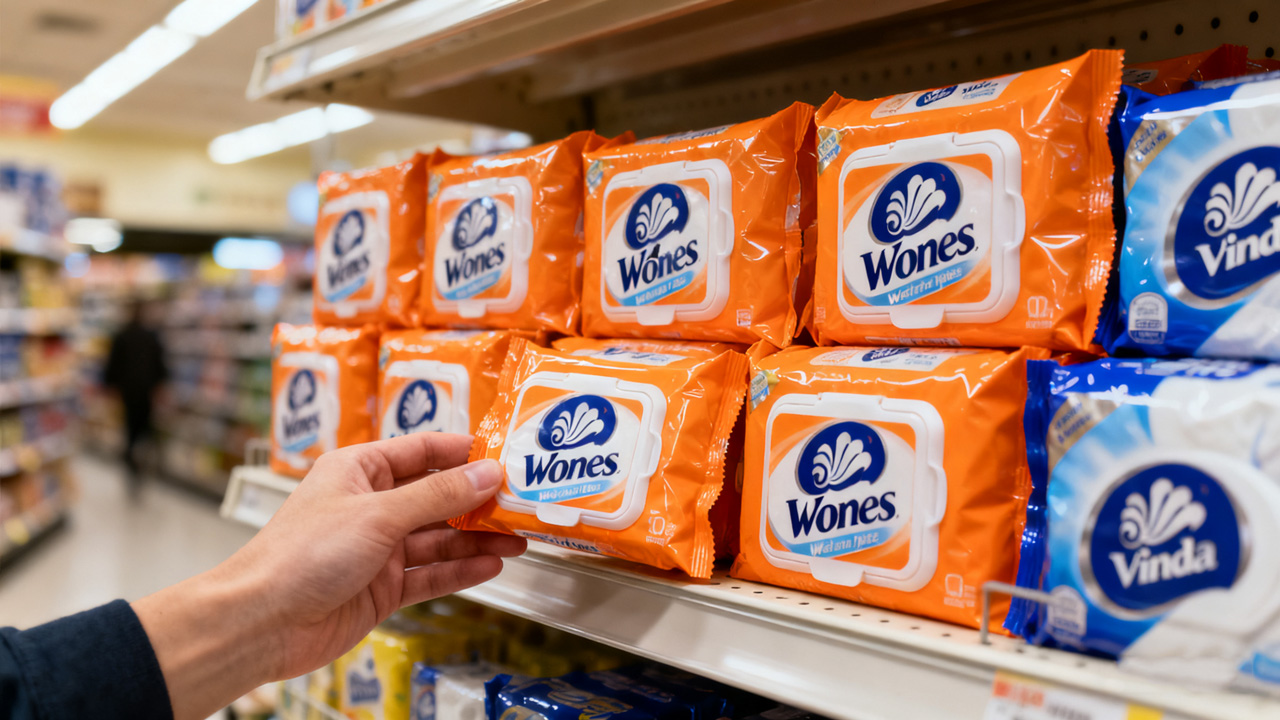
The top-selling individual wet wipes for multi-scene use combine versatility, quality, and value, with brands like Wet Ones, Vinda, and private label options from Costco dominating both retail shelves and wholesale catalogs. These products are specifically formulated to be safe for skin and effective on surfaces, making them ideal for consumers and businesses seeking a single solution for cleaning hands, wiping faces, and sanitizing objects.
 The demand for convenient cleaning solutions has never been higher. Both individual consumers and bulk buyers are looking for reliable products. Understanding which wipes sell best can help you make smarter purchasing decisions. Let's explore the market leaders that have proven their worth across multiple cleaning scenarios.
What Makes a Wet Wipe a Top Seller in Today's Market?
Consumers face overcrowded store aisles and endless online options. They need help identifying which products actually deliver on their promises. The confusion leads to wasted money and disappointing experiences when wipes don't perform as expected. Top-selling wet wipes achieve their status through proven effectiveness, safe ingredients, convenient packaging, and competitive pricing. These products undergo rigorous testing to ensure they clean thoroughly while being gentle on skin. Successful manufacturers balance quality with cost efficiency, creating wipes that retailers can stock confidently and consumers can trust for daily use.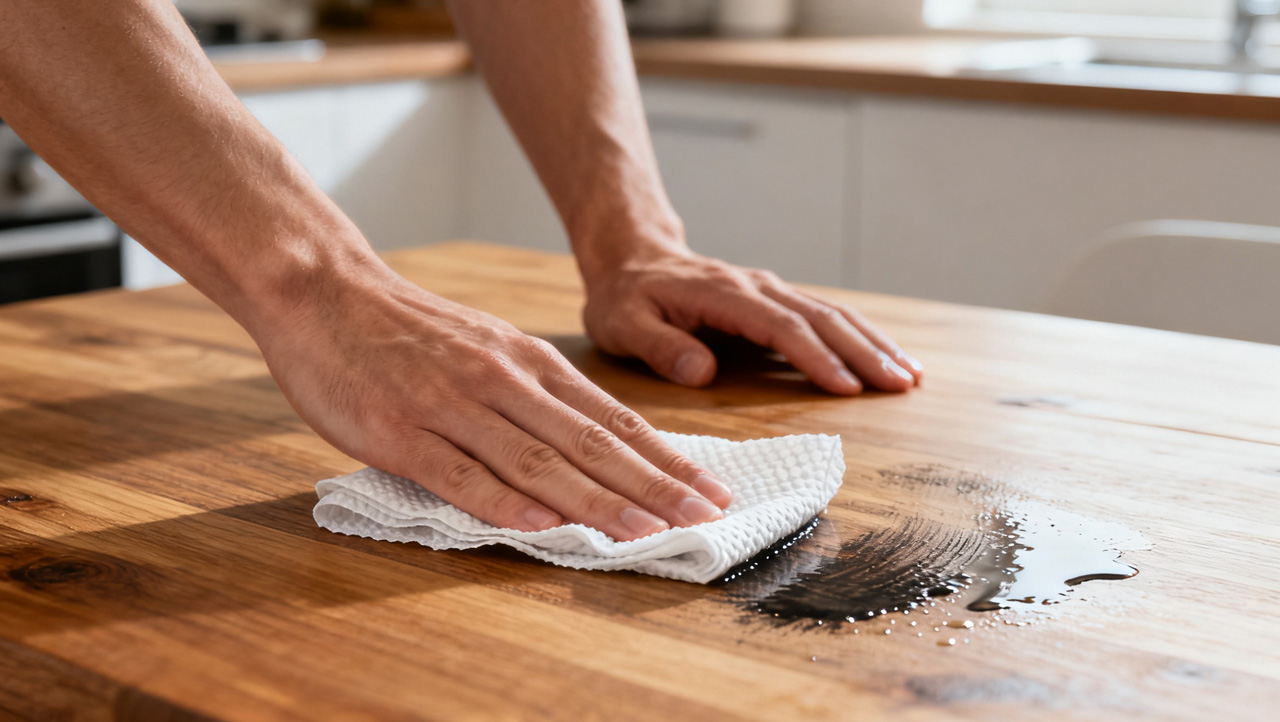 The formula for success involves several critical components that work together.
Performance and Safety Standards
Top-selling wipes must first and foremost perform their intended function. The leading products remove dirt, grease, and germs effectively. They maintain consistent moisture levels without being too wet or too dry. Most importantly, they're manufactured with safety in mind. Manufacturers test their products extensively. They ensure the wipes don't cause skin irritation. They verify cleaning power against common contaminants. The best companies use dermatologist-testing for personal care wipes. They conduct surface compatibility tests for cleaning wipes. This thorough approach builds consumer trust and repeat purchases.| Quality Factor | Personal Use Wipes | Surface Cleaning Wipes | Multi-Scene Wipes |
|---|---|---|---|
| Skin Safety | Dermatologist tested, hypoallergenic | Not required | Dermatologist tested, gentle formulas |
| Cleaning Power | Mild cleaning, fragrance options | Strong grease cutting, disinfecting | Balanced cleaning, antibacterial |
| Material Quality | Soft, non-woven fabric | Durable, scrub texture | Medium texture, durable yet soft |
| Moisture Level | Balanced for skin comfort | Higher moisture for tough jobs | Optimized for versatility |
Packaging and Presentation
The physical presentation significantly impacts sales. Individual packet wipes need durable packaging that prevents drying. The packaging must be easy to open yet secure during transport. Clear labeling helps consumers identify the product's intended uses quickly. Successful brands use color-coding systems. They include usage instructions and ingredient lists. Many incorporate resealable features for multi-wipe packages. The most innovative designs feature tear-notches for easy opening. Some include disposal instructions for environmental considerations. These thoughtful details enhance the user experience considerably.Price Point Strategy
Pricing strategy varies between retail and wholesale channels. Retail consumers often prioritize convenience over cost. Wholesale buyers focus heavily on price per unit. The top-selling products find the sweet spot between quality and affordability. Manufacturers achieve competitive pricing through several methods. They optimize production efficiency. They purchase materials in bulk. They sometimes offer tiered pricing based on order volume. The most successful companies maintain quality while controlling costs. This balance makes their products attractive to both individual buyers and business customers.Which Brands Dominate the Multi-Scene Wet Wipe Market?
Shopping for wet wipes presents a paradox of choice. With countless brands claiming superiority, buyers struggle to identify genuine quality. They risk purchasing inferior products that fail during critical moments of need. The multi-scene wet wipe market is dominated by established brands with proven track records. Wet Ones leads in antibacterial hand wipes, Vinda excels in Asian markets with versatile formulations, while private label brands from retailers like Costco and Walmart offer competitive quality at lower price points. These brands have built consumer trust through consistent performance across various cleaning scenarios.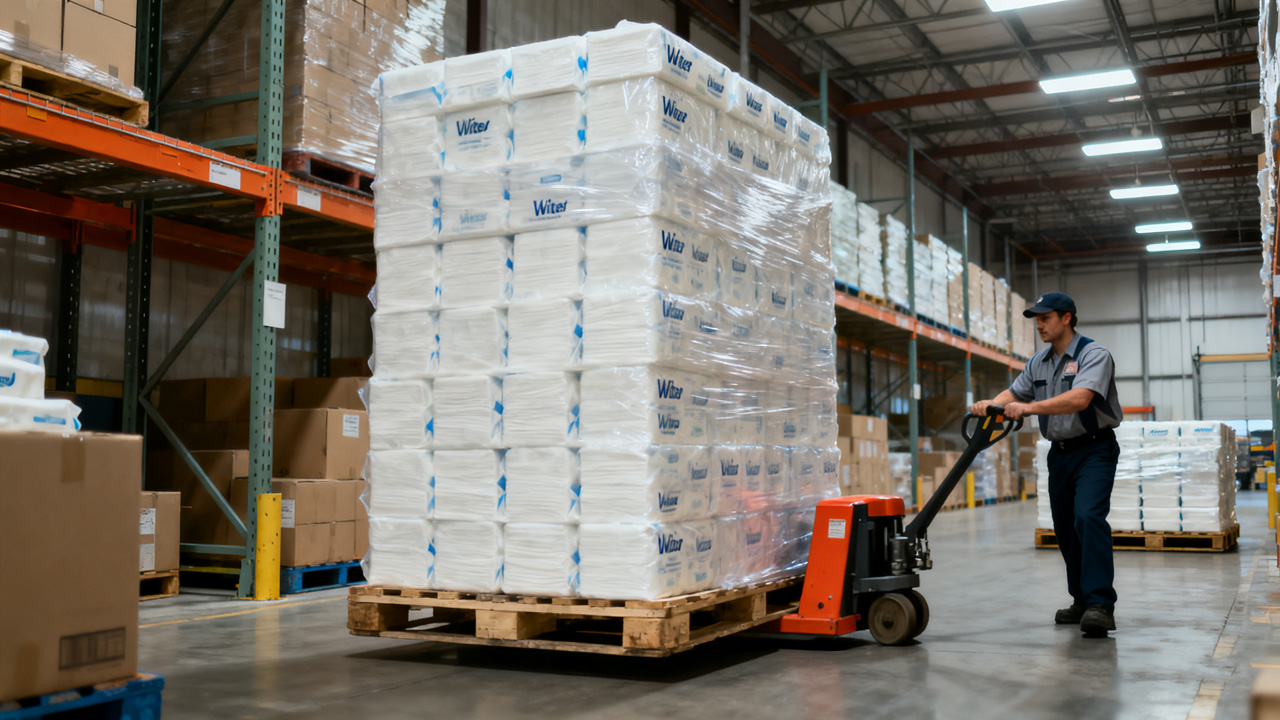 Each leading brand has carved out its specific market position through strategic focus and quality execution.
Wet Ones: The Antibacterial Specialist
Wet Ones has become synonymous with antibacterial hand cleaning. The brand focuses heavily on germ-killing effectiveness. Their wipes eliminate 99.9% of common bacteria. This scientific approach appeals to health-conscious consumers. The products work well for hands, faces, and general surface wiping. The brand maintains strong retail presence across North America and Europe. Their distinctive orange packaging is instantly recognizable. Wet Ones offers various formats including individually wrapped wipes and multi-packs. Their travel-sized products are particularly popular for on-the-go use. The company invests significantly in consumer education about germ transmission.Vinda: The Asian Market Leader
Vinda dominates the Asian wet wipe market with comprehensive product lines. The company understands regional preferences and cleaning habits. Their Professional Cleaning Wipes serve multiple purposes effectively. The products are gentle enough for baby care yet strong enough for household cleaning. Vinda's success stems from cultural understanding and manufacturing scale. They operate massive production facilities in China. This allows competitive pricing while maintaining quality standards. The company supplies both retail consumers and wholesale distributors. Their products are available through supermarkets and online platforms throughout Asia.Private Label Brands: The Value Proposition
Store brands have revolutionized the wet wipe market. Retail giants like Costco (Kirkland Signature) and Walmart (Parent's Choice) offer quality products at lower prices. These brands leverage the retailers' purchasing power and distribution networks. Private label manufacturers focus on matching national brand quality. They often manufacture products in the same facilities as brand-name equivalents. The main difference is the labeling and marketing approach. These products appeal to budget-conscious consumers and bulk buyers. The quality consistency has improved significantly over recent years.| Brand Category | Price Positioning | Target Market | Distribution Strength |
|---|---|---|---|
| Premium Brands (Wet Ones) | Higher price point | Health-conscious consumers, families | National retailers, drugstores |
| Regional Leaders (Vinda) | Mid-range pricing | Local markets, cultural preferences | Regional supermarkets, e-commerce |
| Private Label (Costco, Walmart) | Value pricing | Budget shoppers, bulk buyers | Exclusive to retailer channels |
| Specialty Manufacturers | Variable pricing | Niche applications, medical use | Specialty stores, direct sales |
How Does Wholesale Distribution Impact Wet Wipe Sales?
Business buyers face unique challenges when sourcing wet wipes. They need reliable supply chains, consistent quality, and favorable pricing. Poor wholesale choices can lead to inventory problems and customer dissatisfaction. Wholesale distribution dramatically increases product availability and reduces consumer costs. Bulk purchasing allows manufacturers to optimize production runs and minimize packaging expenses. This efficiency translates to lower prices per unit while maintaining quality standards. Effective wholesale networks ensure products reach diverse markets efficiently.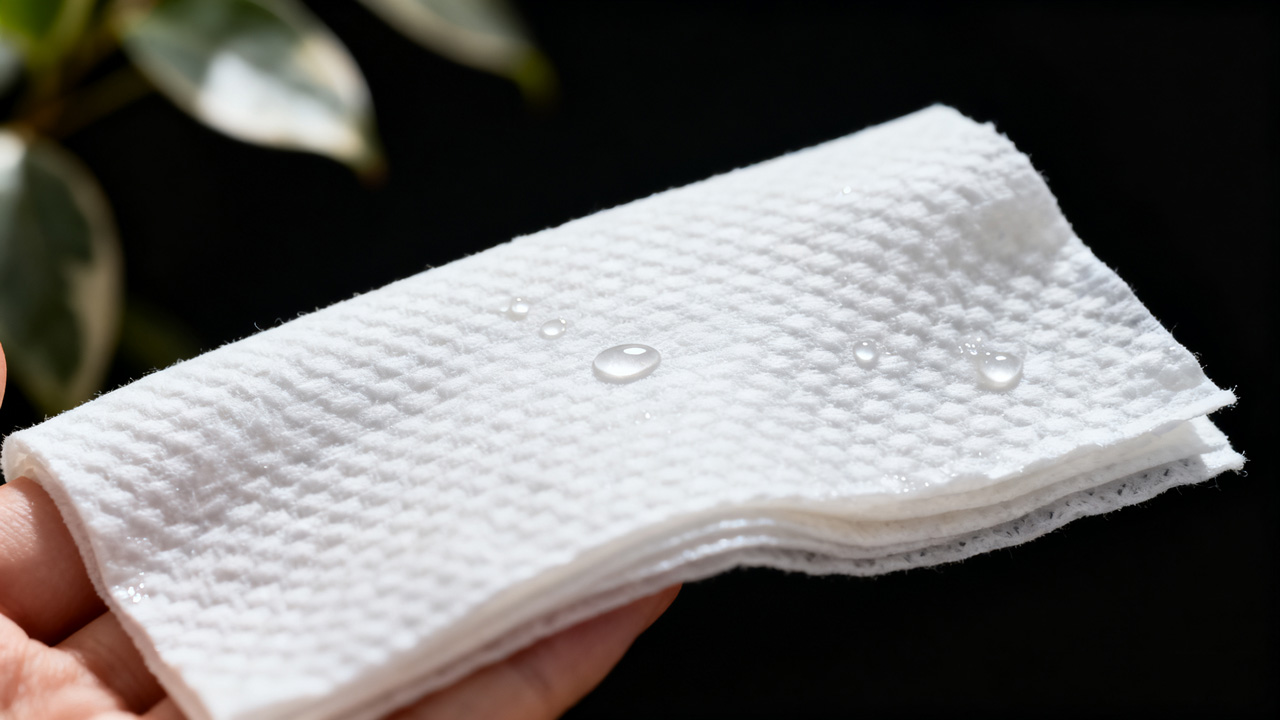 The wholesale ecosystem involves multiple interconnected channels that serve different market segments.