

When you grab a pack of individually wrapped wipes, do you ever wonder if they're truly safe? I remember using baby wipes years ago and worrying about chemicals touching my child's skin. The certifications matter more than most people realize.
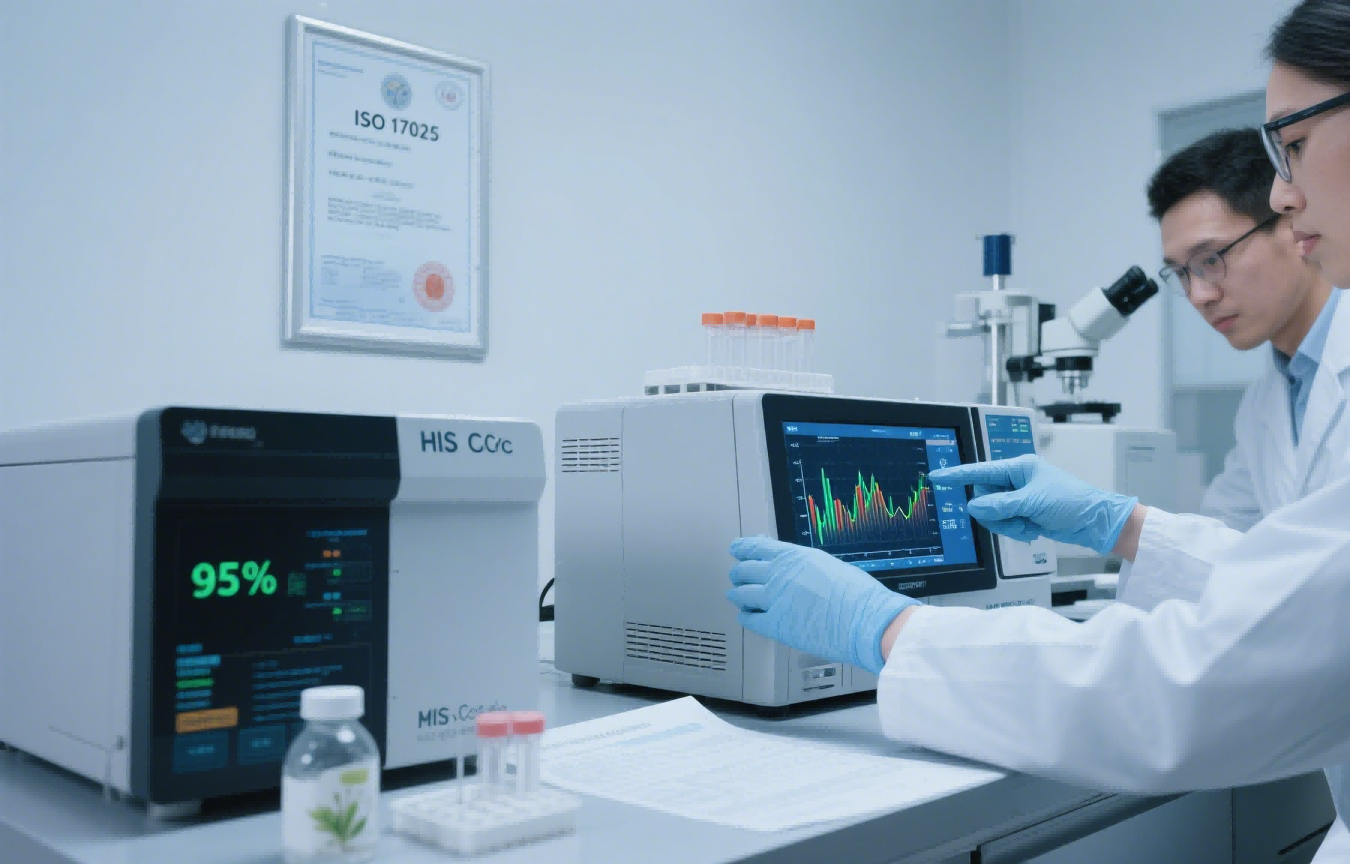
Individual wrap wipes should have FDA approval (for medical use), ISO9001 for quality management, GMP certification for manufacturing standards, and NSF certification for public health protection. Regional standards like China's GB/T 27728 also apply depending on where you buy them.
 You might think all wipes go through the same safety checks, but that's not true. The different certifications serve specific purposes to ensure complete protection. Let's break down what each one actually covers.
What Does FDA Certification Mean for Wipes?
Have you seen "FDA-certified" on medical wipes and wondered what it guarantees? I once assumed it meant absolute safety until a nurse friend explained the details. FDA certification for wipes means they meet strict guidelines for medical device safety and antimicrobial effectiveness. This applies mainly to wipes used in healthcare settings, not necessarily cosmetic or general-purpose wipes. The FDA evaluates the product's materials, manufacturing process, and intended use.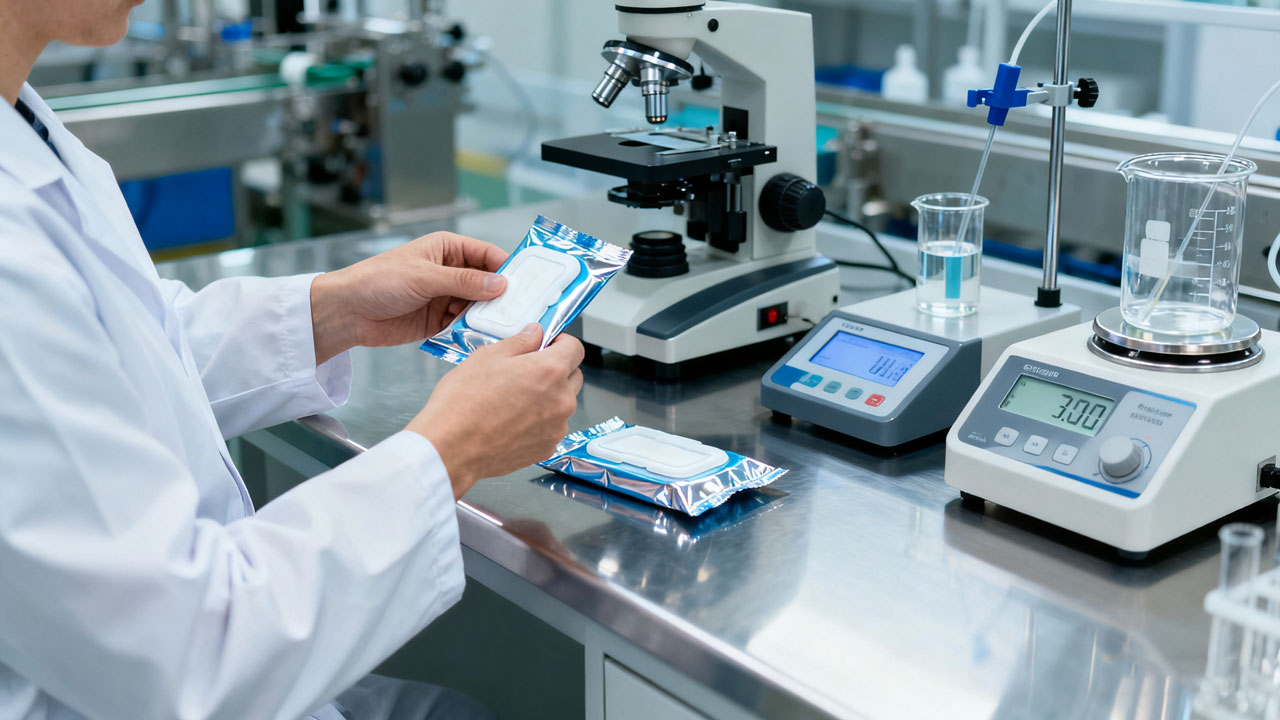 The FDA approval process involves multiple stages:
- Pre-market notification (510(k)) - For wipes making medical claims
- Good Manufacturing Practices (GMP) - Facility inspections
- Antimicrobial testing - For disinfectant wipes
- Material safety review - Checking all ingredients
| Certification Level | Coverage | Testing Frequency |
|---|---|---|
| FDA Class I | Low-risk devices | Every 2-3 years |
| FDA Class II | Moderate-risk devices | Annual inspections |
| FDA Class III | High-risk devices | Continuous monitoring |
Why Do International Standards Like ISO9001 Matter?
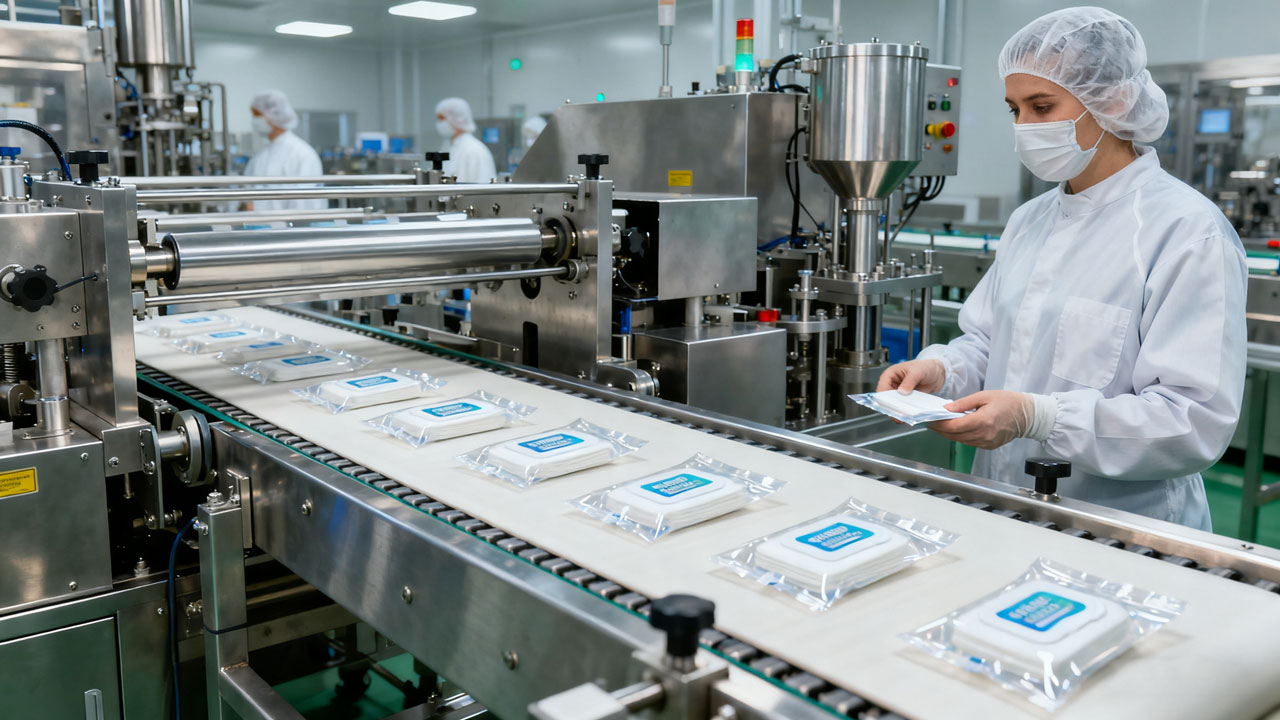
I learned about ISO certifications the hard way when a bulk order of wipes failed quality checks. The supplier had skipped international standards to cut costs. ISO9001 certification ensures consistent quality management systems throughout production, from raw materials to final packaging. It doesn't test individual products but verifies the company follows documented procedures to maintain standards. This reduces defects and contamination risks.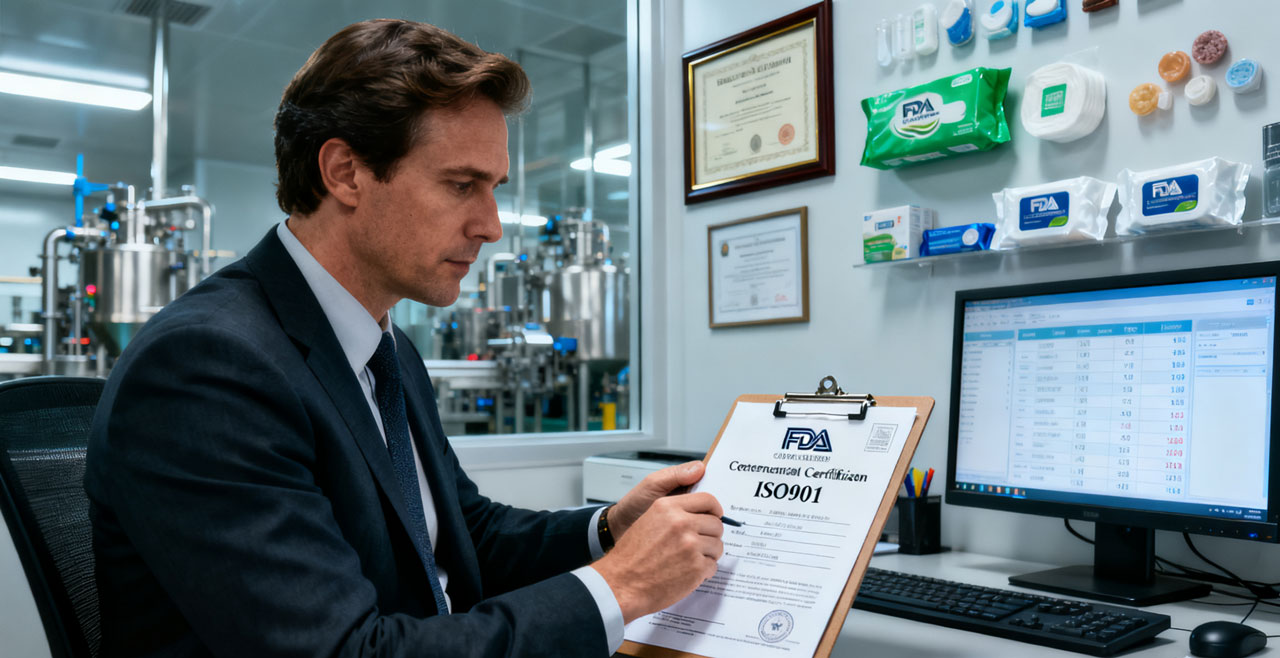 Key aspects covered by ISO9001:
- Supplier quality requirements
- Production environment controls
- Employee training protocols
- Corrective action systems
- Documentation practices
How Do Regional Standards Like GB/T 27728 Protect Consumers?
During a trip to China, I noticed differently labeled wipe packages and researched why. Local standards address specific regional concerns that international ones might miss. China's GB/T 27728 standard specifies technical requirements for wet wipes including dimensions, liquid content, pH balance, and microbial limits. It categorizes wipes by usage (personal care, surface cleaning, medical) with corresponding test methods. The 2024 update added stricter rules for disinfectant wipes. Critical requirements under GB/T 27728:
- 1. Physical specifications
- 2. Chemical safety
- 3. Microbiological standards