

Imagine never worrying about germs on shared wipes again. Individually wrapped wipes solve this exact problem, and their global sales prove it.
Individually wrapped wipes are growing popular because they offer better hygiene, convenience for travel, and meet rising health awareness demands post-pandemic. The global wet wipes market reached $14.5 billion in 2022 and keeps growing.
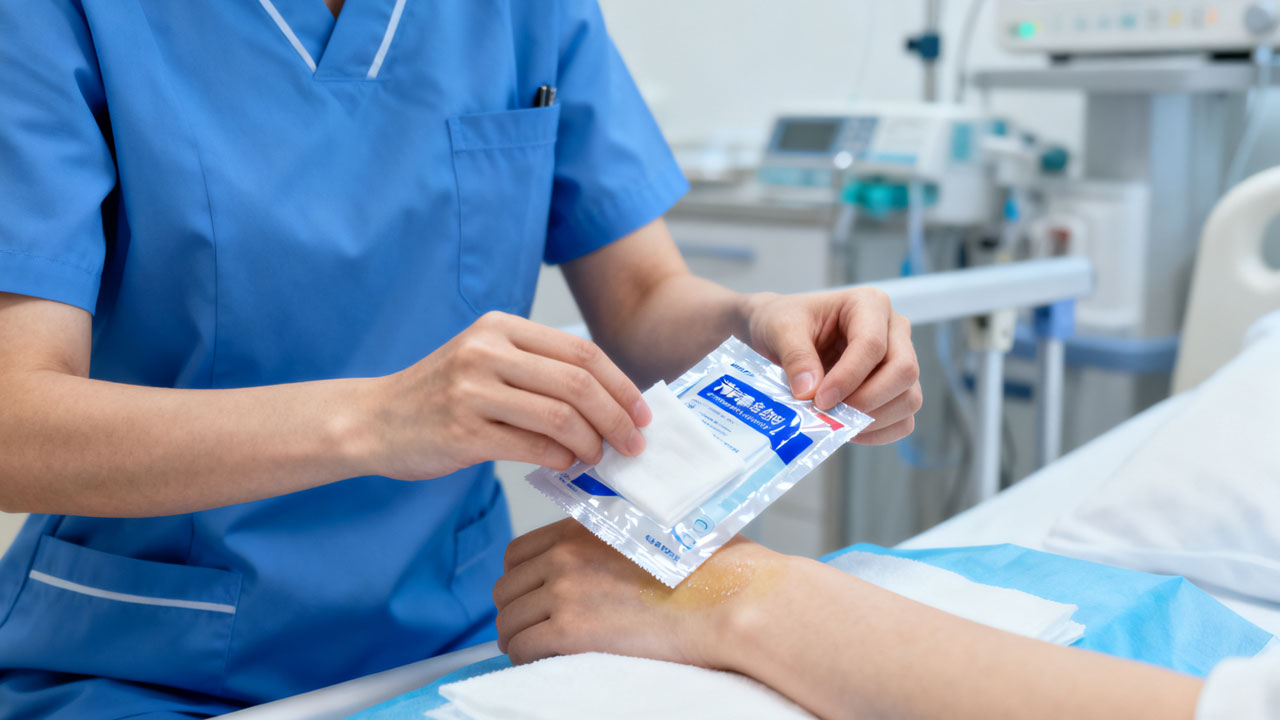 But hygiene is just one piece of the puzzle. To understand why consumers worldwide prefer single-wrap wipes, we need to examine multiple factors driving this trend.
How Does Hygiene Impact Wipe Packaging Choices?
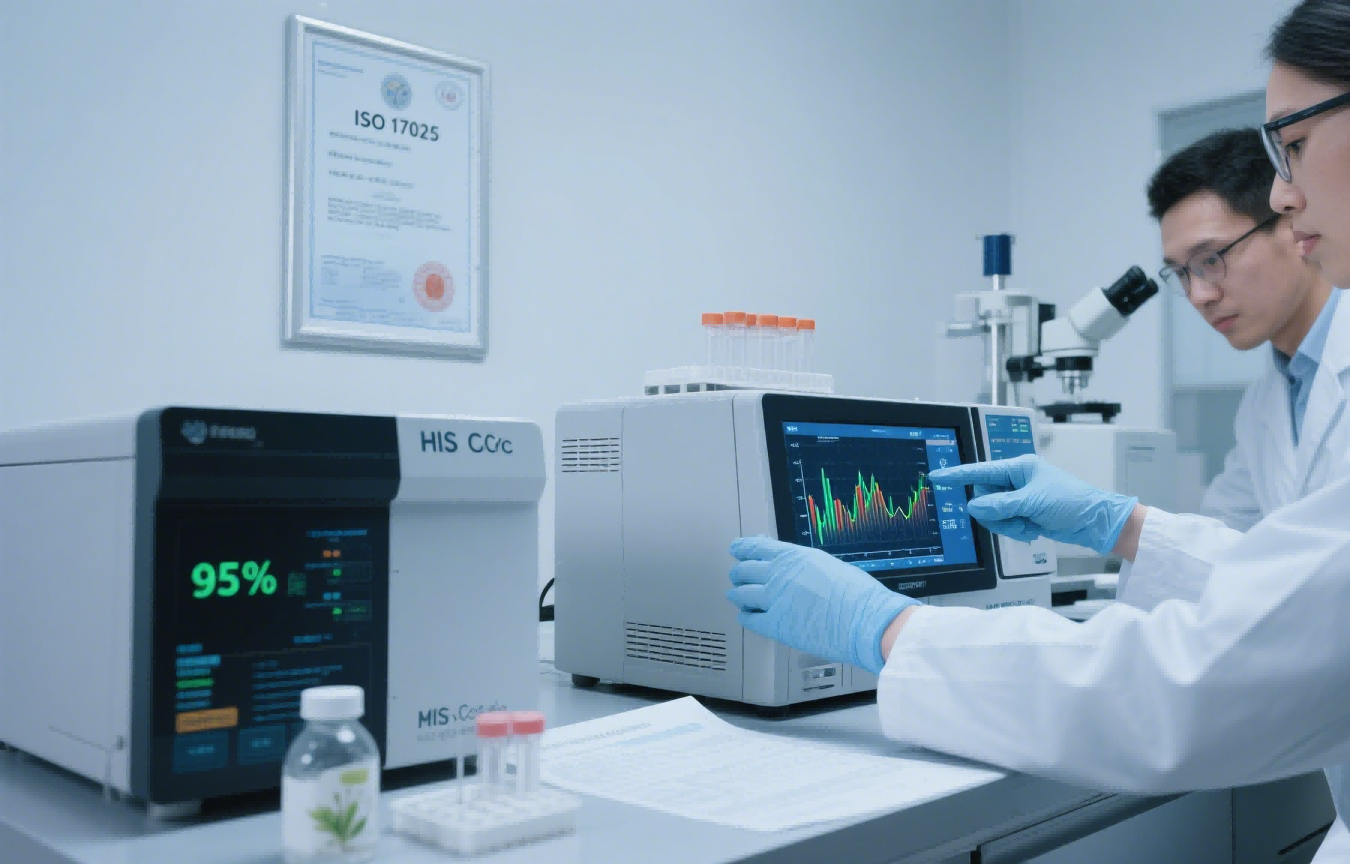
Public restrooms often leave us questioning cleanliness. Individually wrapped wipes eliminate this uncertainty completely. Single-packaged wipes prevent contamination from shared containers, reducing bacterial transfer by 95% compared to bulk packaging. This matters most in healthcare and food service industries.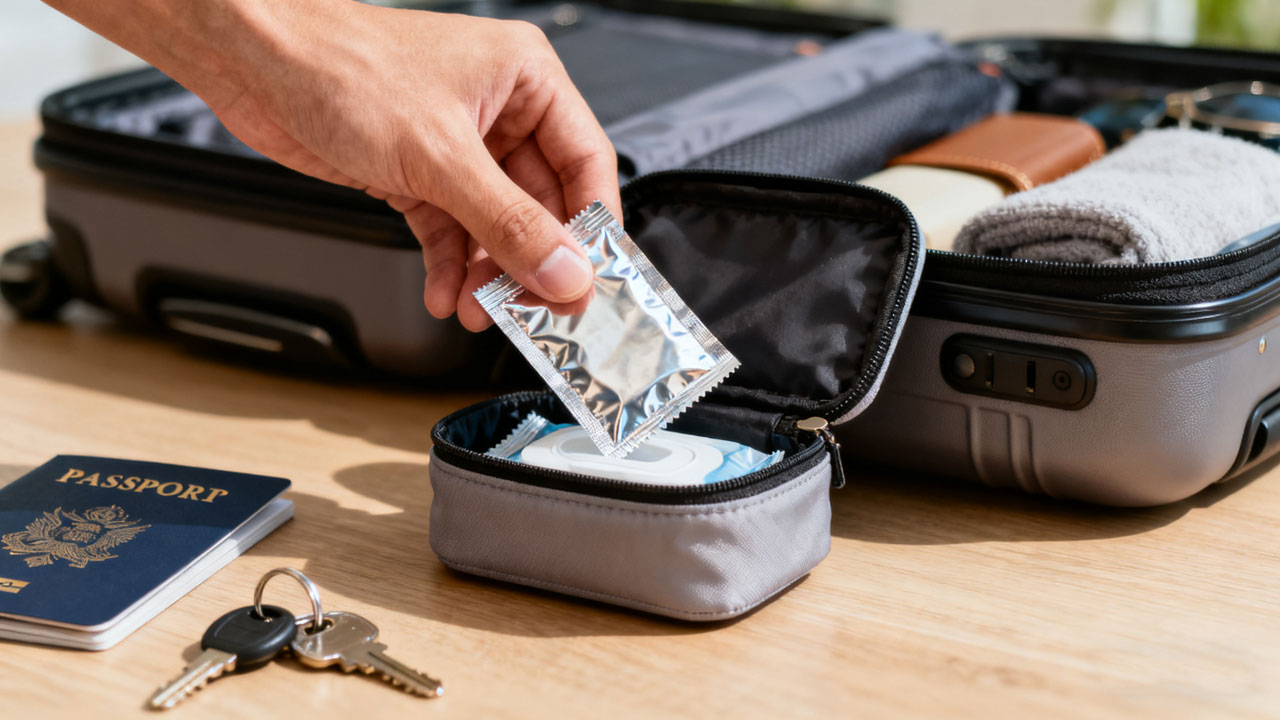
Three Hygiene Advantages
- 1. Cross-contamination prevention
| Packaging Type | Bacterial Transfer Rate |
|---|---|
| Bulk container | 32% sample contamination |
| Single wrap | <2% sample contamination |
- 2. Portable sterility
- 3. User confidence
What Makes Convenience So Important?
Ever struggled with dried-out wipes in your bag? Individually wrapped ones stay moist and ready for years. Single-serve wipes maintain hydration 3x longer than bulk packs. Their compact size fits perfectly in pockets, purses, and travel kits.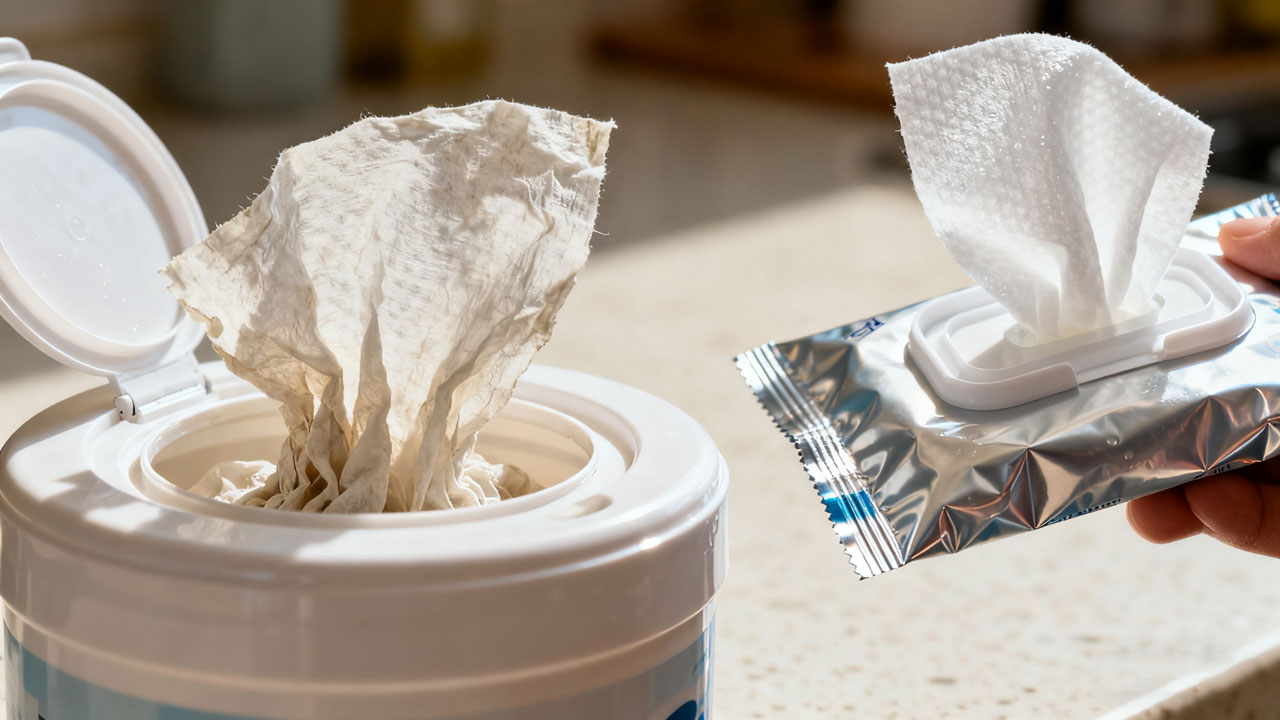
Convenience Breakdown
Moisture Retention Traditional wipe packaging loses 60% moisture in 3 months. Nitrogen-sealed individual packets show only 15% loss after 12 months[ID:l]. Space Efficiency Comparison table shows packing advantages:| Format | Wipes Count | Volume (cm³) |
|---|---|---|
| Bulk tub (200ct) | 200 | 1500 |
| Single packs (200ct) | 200 | 800 |
- Parents: 92% prefer single-wipes for diaper changes on-the-go[ID:m]
- Travelers: TSA reports 3x more wipes in carry-ons since 2020[ID:n]
- Workers: Construction crews use 50% more wipes when individually packed[ID:o]
Are Eco-Friendly Options Changing the Game?
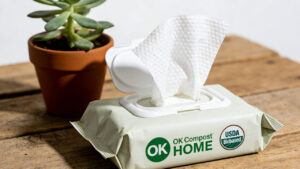
Many assume single-use means wasteful. New compostable materials are flipping this perception. Brands now use plant-based wrappers that decompose in 90 days. These account for 25% of premium wipe sales growth since 2021.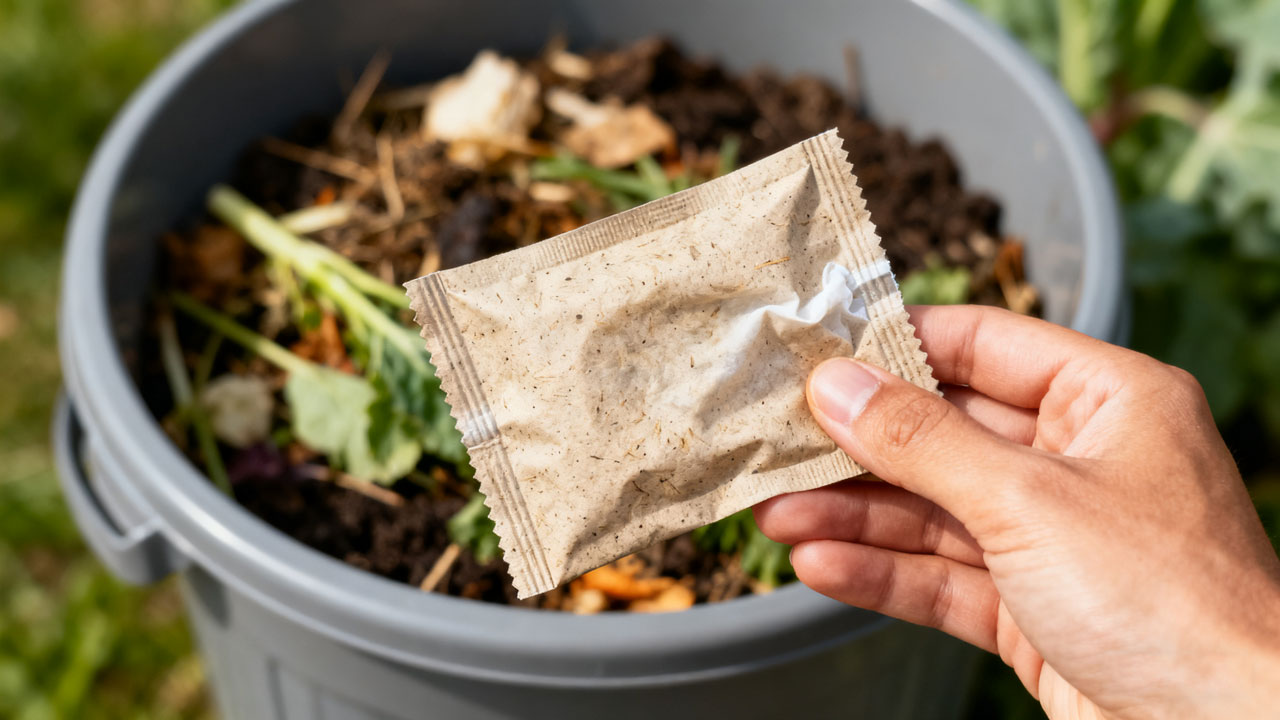
Sustainability Innovations
Material Science Breakthroughs- 1. PLA Wrappers
- 2. Edible Packaging Trials
- Gen Z buyers pay 30% more for sustainable wraps
- EU markets show fastest adoption at 42% annually
- US lags at 18% due to recycling confusion
| Brand | Plastic-Free Goal | Current Progress |
|---|---|---|
| WaterWipes | 2025 | 78% achieved |
| Natracare | Achieved 2023 | 100% |
| Huggies | 2030 | 35% |