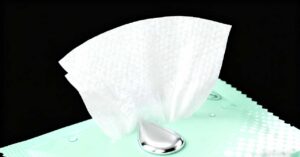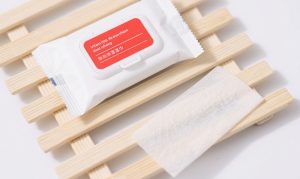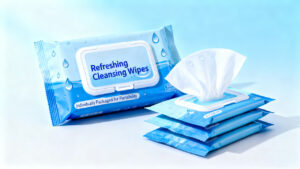


Every second, 87 single wet wipes are used globally—their convenience meeting today’s hyper-mobile lifestyles and hygiene-conscious world.
Single wet wipes dominate the market due to portability (fit in wallets/pockets), multi-purpose use (skin, surfaces, personal care), and on-demand hygiene—perfect for travel, healthcare, and daily routines.
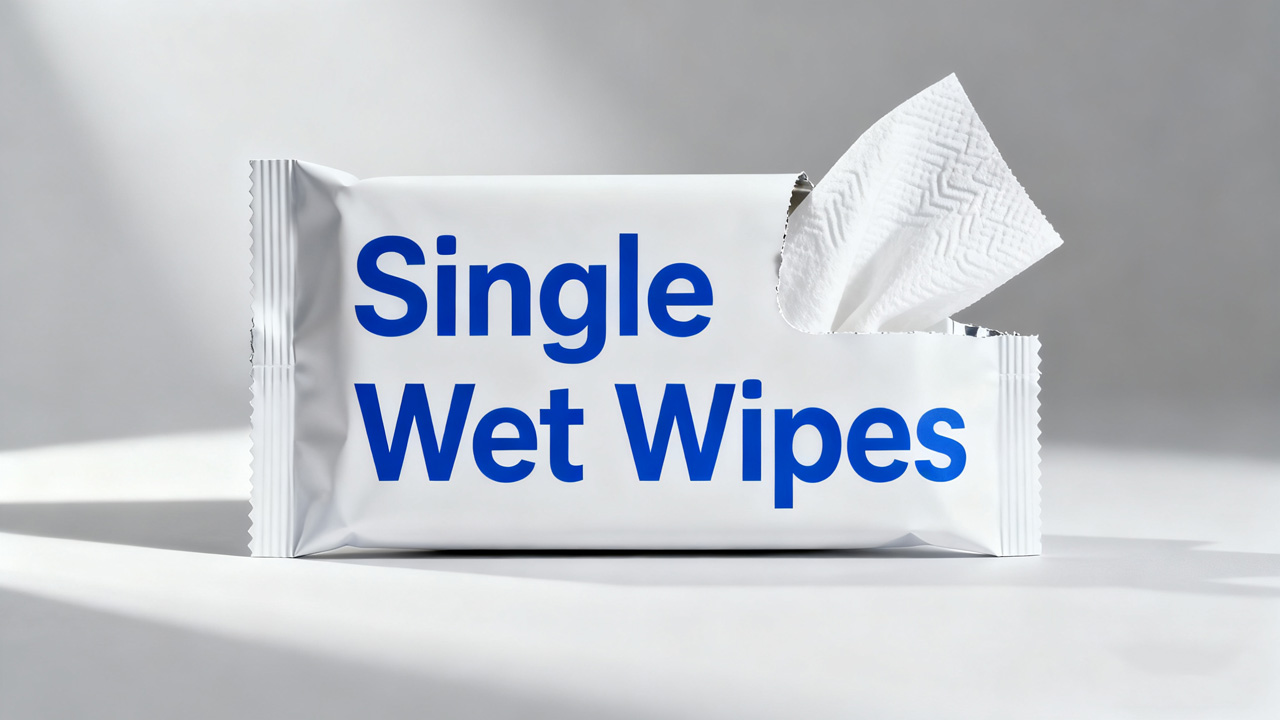 Beyond convenience, eco-conscious buyers and brand-focused retailers are pushing the boundaries of single wet wipe innovation.
What Makes Biodegradable Single-Use Wipes the Best Choice for Eco-Conscious Buyers?
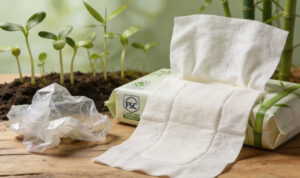
Traditional wipes take 100+ years to decompose—bio-based alternatives break down in just 12 weeks under composting conditions. Certified biodegradable wipes use plant fibers (like bamboo or FSC wood pulp) and EPA-approved solvents, reducing microplastic pollution by 90% while maintaining dermatologist-tested gentleness.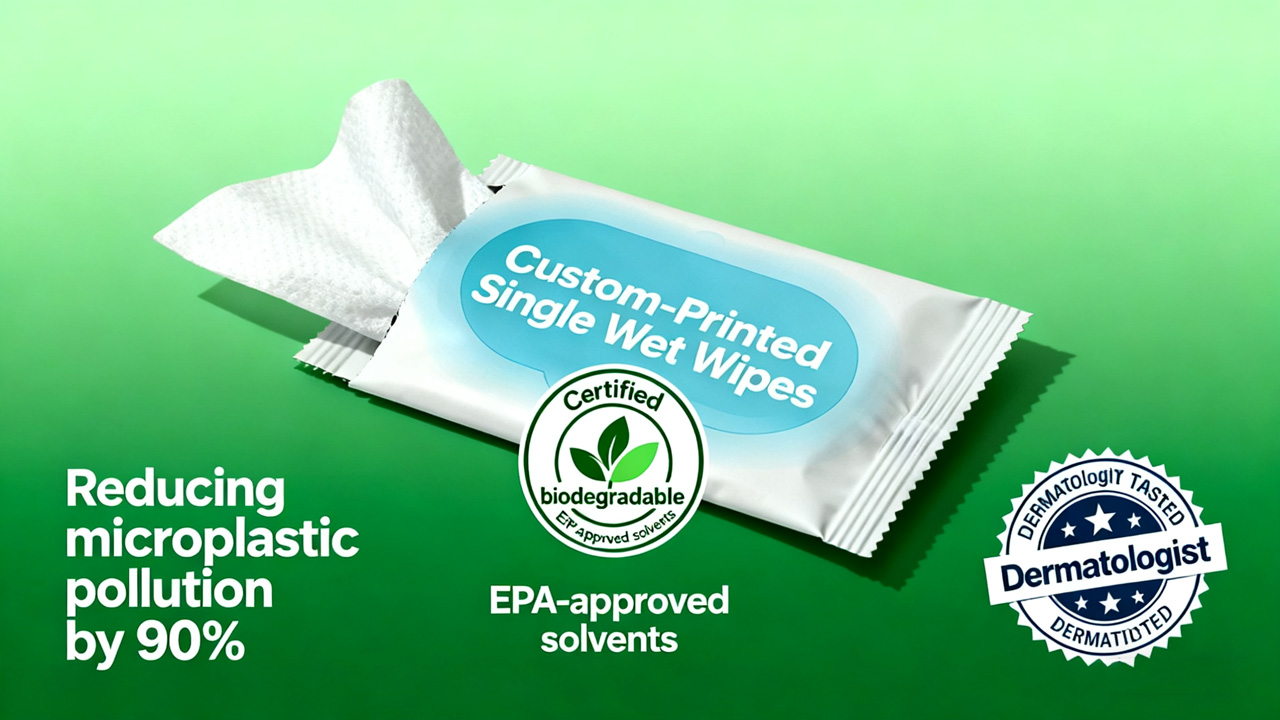
Eco-Wipes Material Comparison
| Component | Traditional (PET) | Biodegradable | Compostable |
|---|---|---|---|
| Base Material | Polyester | Bamboo Viscose | Cotton + PLA |
| Decomposition | 150 years | 6 months | 8–12 weeks |
| Carbon Footprint | High (3.2kg CO₂/kg) | Low (1.1kg CO₂/kg) | Neutral (0.5kg CO₂/kg) |
| Certifications | – | OK Compost, TUV Austria | USDA BioPreferred, EU Ecolabel |
- pH-balanced (5.5–7.0, skin-safe)
- Alcohol-free (preserved with lactobacillus ferment)
- Wet-strength tested (no tearing during use, but breaks down post-disposal)
Can Custom-Printed Single Wet Wipes Boost Brand Visibility for Retailers?
Branded wipes achieve 30% higher recall than traditional merch—custom prints create direct consumer touchpoints. Retailers leverage CMYK or Pantone-printed wipes for promotions, sample giveaways, or premium packaging inserts—each wipe acting as a mini-billboard with 500+ impressions per unit.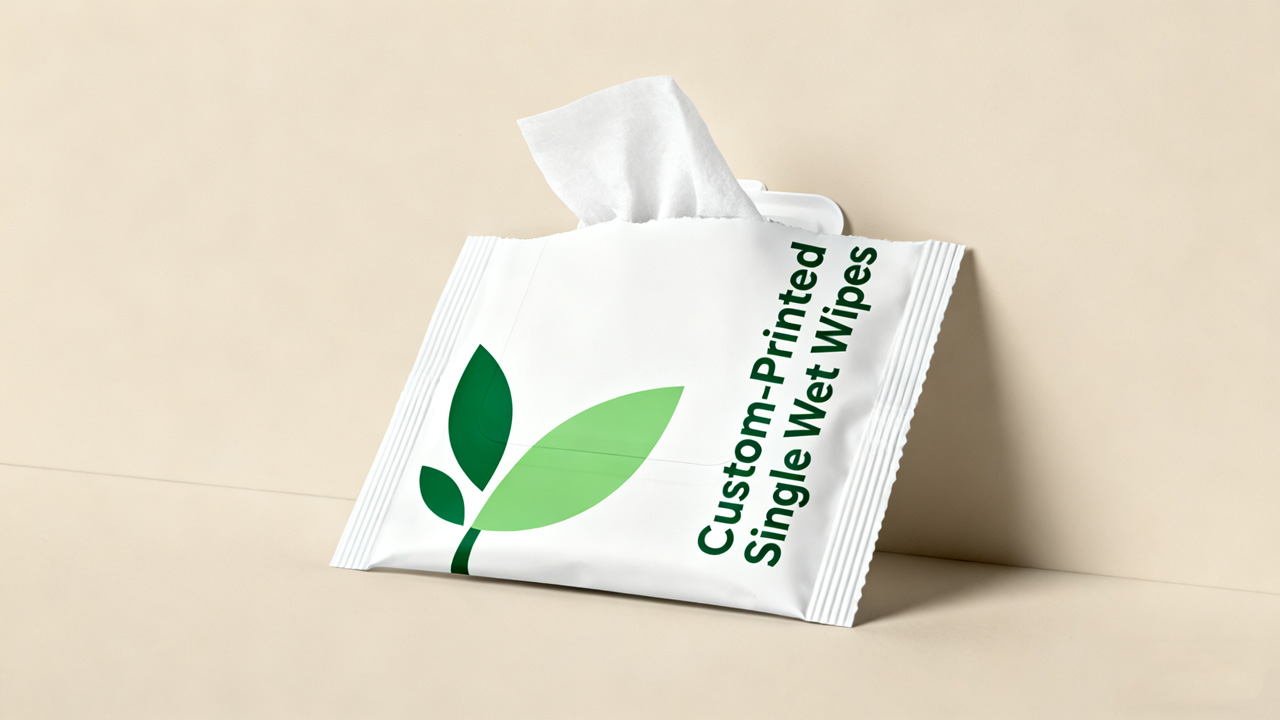
Customization Options & Impact
| Method | Best For | MOQ | Cost per Unit | ROI (Brand Exposure) |
|---|---|---|---|---|
| Logo Stamp | Startups | 1,000 | $0.02 | 200 impressions/wipe |
| Full-Color Print | CPG brands | 10,000 | $0.05 | 500 impressions/wipe |
| QR-Code Linked | Digital campaigns | 5,000 | $0.07 | Trackable engagement |
| Scent + Print | Luxury brands | 50,000 | $0.12 | Multi-sensory branding |
Are Fragrance-Free Single Wipes More Hygienic Than Scented Variants?
Synthetic fragrances trigger 36% of skin irritations—medical-grade wipes now prioritize hypoallergenic formulations. Fragrance-free wipes minimize contamination risks with preservative-free systems (like AOG-24 antimicrobial treatment), making them FDA-preferred for healthcare, baby care, and sensitive skin.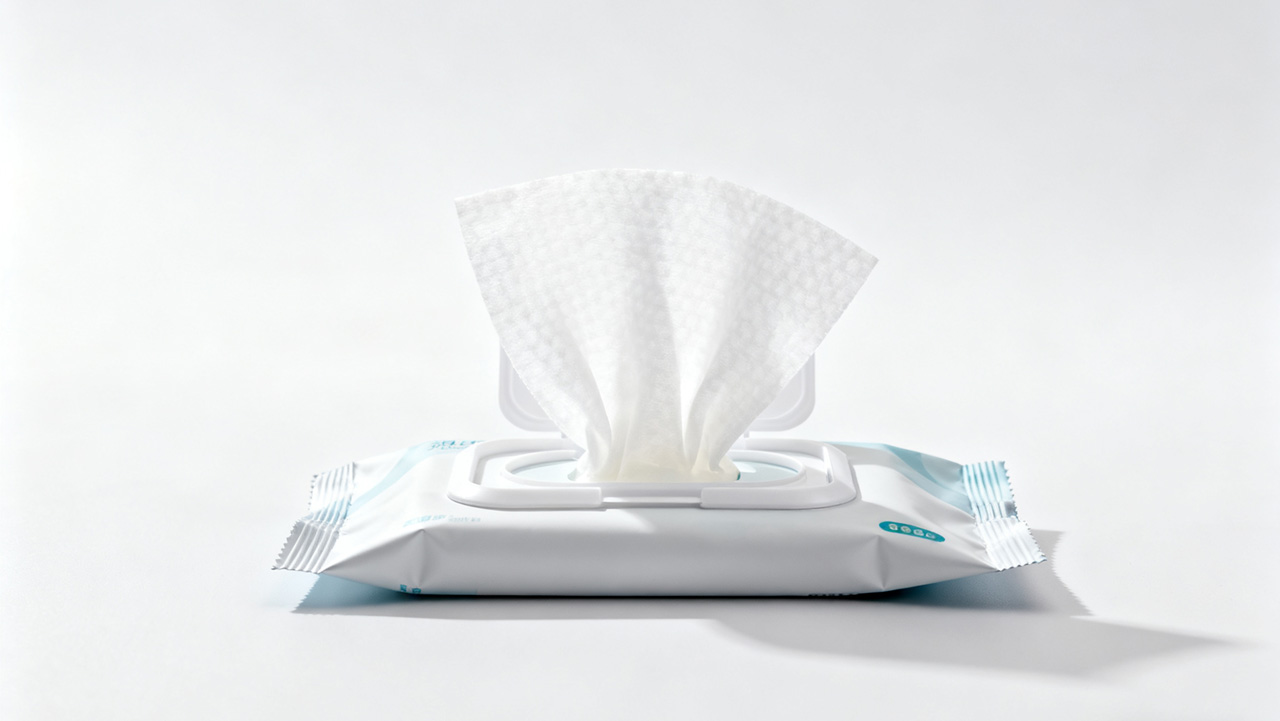
Hygiene Performance Comparison
| Factor | Scented Wipes | Fragrance-Free | Medical-Grade |
|---|---|---|---|
| Preservatives | Parabens (0.2–0.5%) | Phenoxyethanol (≤1%) | None (sterile-packed) |
| Allergen Risk | High (26% reactivity) | Low (<3%) | None |
| Pathogen Kill Rate | 60–80% | 90–95% | 99.99% (ASTM E2315) |
| Best Use Case | Cosmetic refresh | Baby wipes, post-surgery | Hospital disinfecting |