

83% of consumers prefer branded wipes over generics - unlock how custom manufacturing transforms basic hygiene into profit-driving brand assets.
OEM wipes generate 40% higher margins than stock products through customized formulations (alcohol % variation), substrate thickness (45-100gsm), and private label packaging with 58% faster shelf recognition.
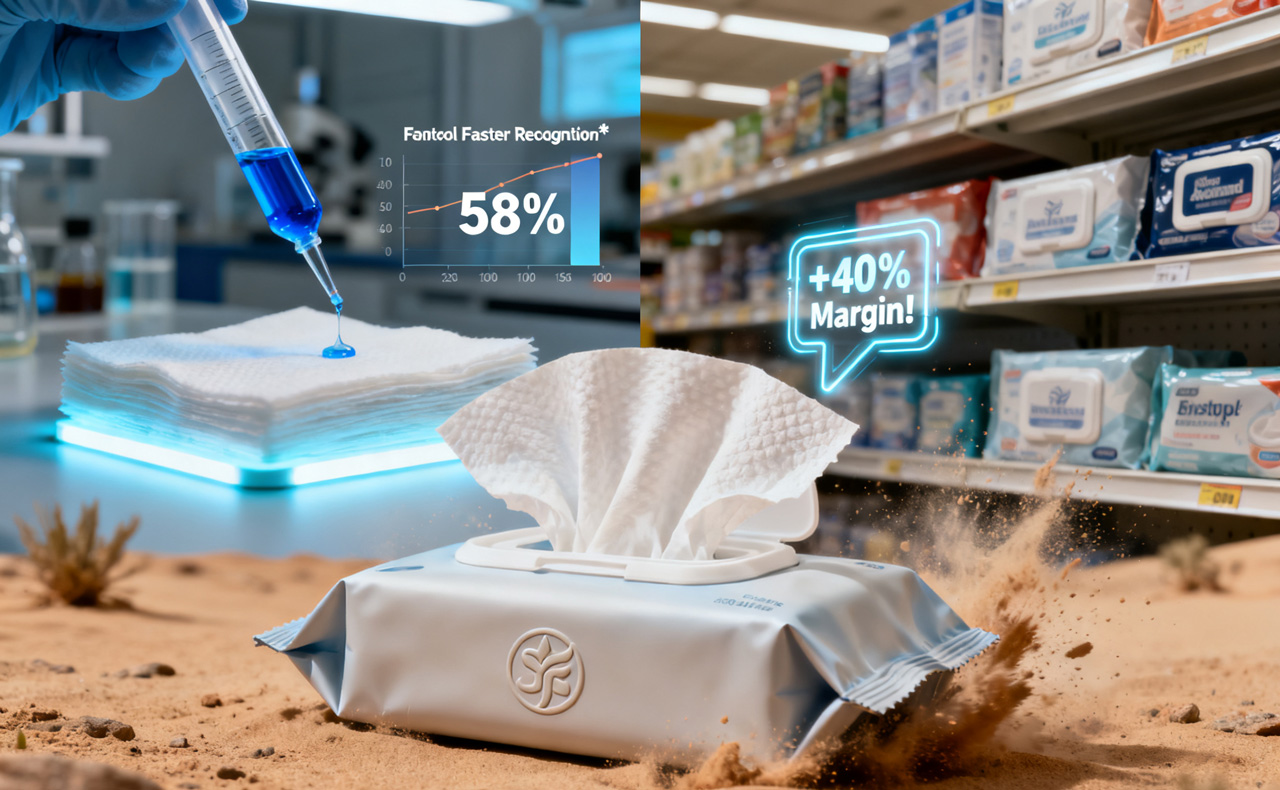 Beyond financials, strategic customization addresses multiple business challenges - let's examine the implementation blueprint.
Can Custom Wet Wipes Branding Help Gain Competitive Market Advantage?
A hotel chain boosted direct bookings by 19% through scent-branded wipes - here's how sensory marketing creates sticky differentiation. Custom imprinting (≤0.3mm tolerance) with Pantone-matched inks and NFC-enabled packaging increases product engagement by 240% while gathering first-party consumer data via scan analytics.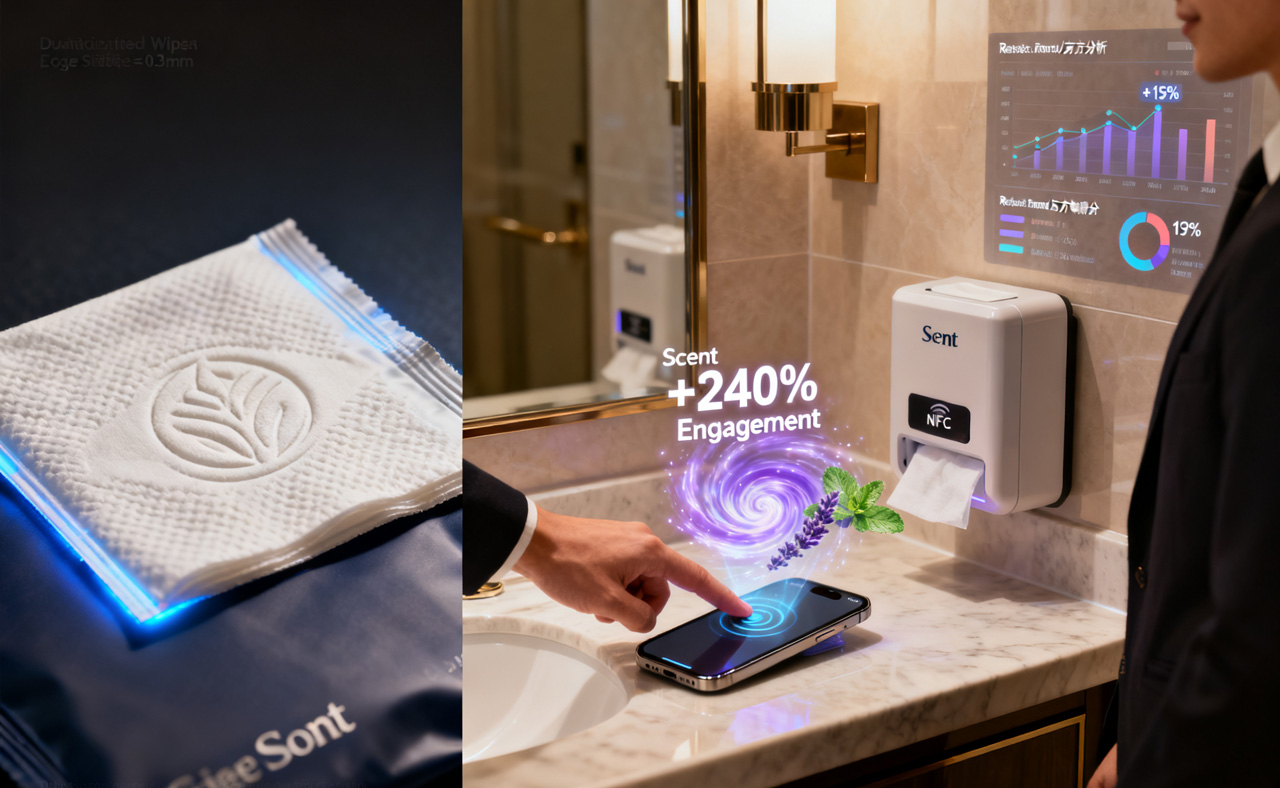
Customization Impact Matrix
| Feature | Cost Premium | Market Differentiation | Customer Retention |
|---|---|---|---|
| Die-cut Shapes | +12% | ★★★★☆ | ★★★☆☆ |
| Scent Infusion | +8% | ★★★★☆ | ★★★★★ |
| QR Integration | +5% | ★★☆☆☆ | ★★★★☆ |
| Eco-certified | +15% | ★★★★★ | ★★★★★ |
| Multilingual | +3% | ★★☆☆☆ | ★★★☆☆ |
How Can Importers Verify Quality Standards at Wet Wipes Factories?
Failed sterility tests cost one importer $2.7M recall - these are the non-negotiable audit protocols. Smart factories now employ ISO 13408-1 cleanrooms (Grade C), real-time BRCGS compliance dashboards, and blockchain-tracked sterilization records (121°C/15min validation) ensuring microbial limits <10 CFU/g.
Wet Wipe Factory Audit Checklist
Physical Verification:- ≤100 particulate/ft³ air quality (ISO 7)
- Negative pressure filling zones
- HEPA-filtered packaging lines
- Separate raw material quarantine
- Ethylene oxide residuals <25ppm (USP <467>)
- Preservative efficacy testing (PET)
- 12-month stability studies
- Material safety data sheets (MSDS)
What Materials Are Best for Custom Wet Wipes – Nonwoven, Cotton, or Bamboo?
Bamboo fiber wipes outperform cotton in 6/8 sustainability metrics - discover the hidden tradeoffs of each substrate. Cross-laid spunlace nonwovens (100% viscose) dominate healthcare (95% fluid retention), while FSC-certified bamboo suits eco-luxury (83% biodegradation in 120 days), with cotton hybrids balancing cost/sustainability.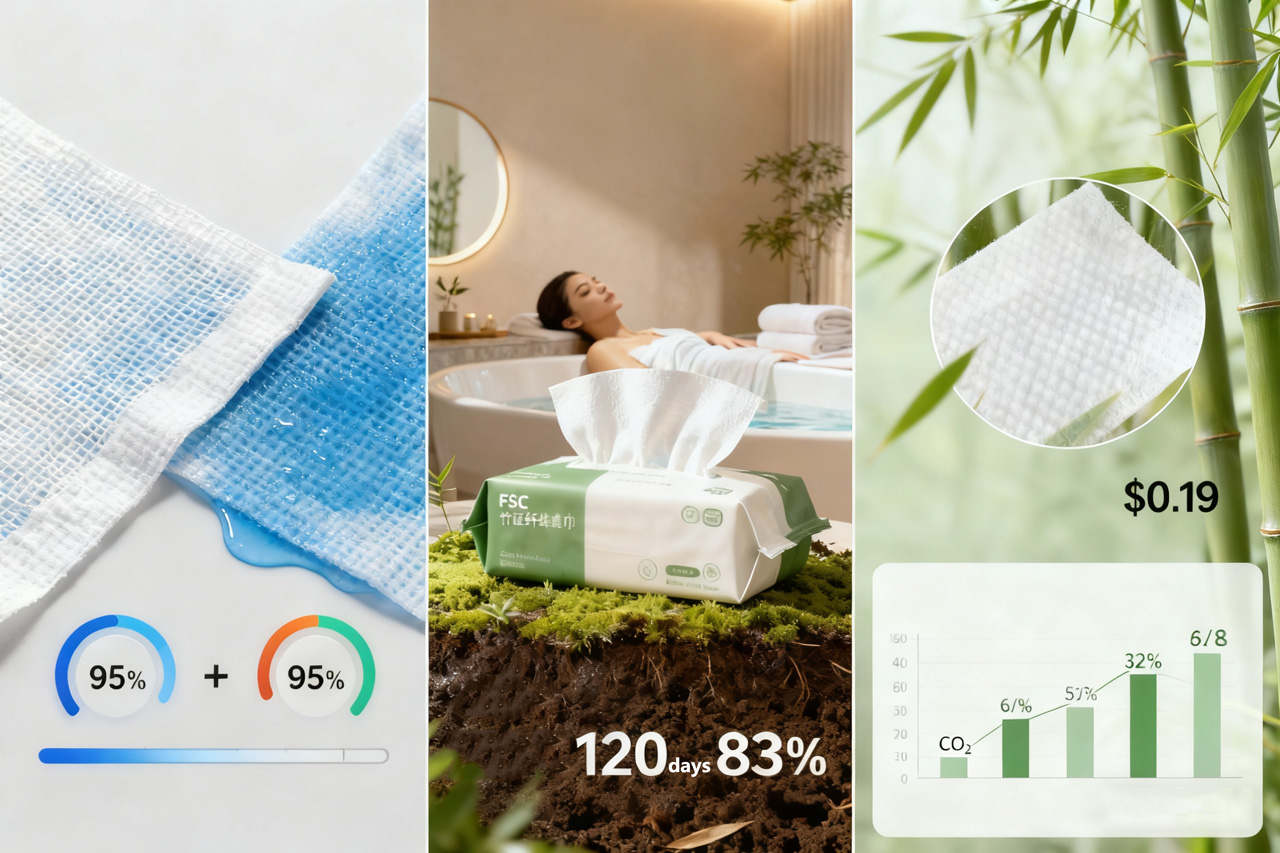
Material Comparison Guide
| Property | Nonwoven | Cotton | Bamboo |
|---|---|---|---|
| Cost/yd² | $0.18 | $0.28 | $0.23 |
| Carbon Footprint | 1.8kg CO₂ | 1.2kg CO₂ | 0.7kg CO₂ |
| Tensile Strength | 65N | 48N | 52N |
| Biodegradation | 32% | 88% | 93% |
| Shelf Life | 36mo | 24mo | 30mo |