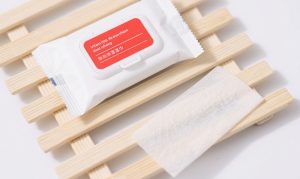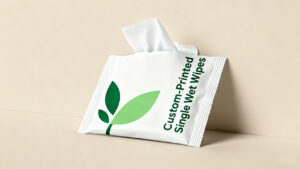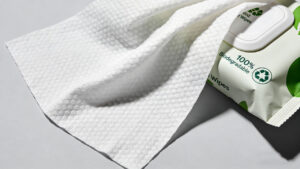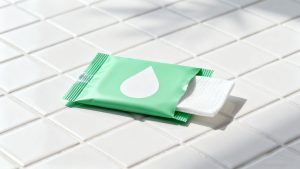


Wet wipes have been around for decades, but single-sheet versions solve three major problems: wasted products in bulk packs, contamination risks, and environmental concerns.
Single-sheet wet wipes minimize waste by providing one perfectly moistened wipe at a time, reduce cross-contamination risks through individual packaging, and often use biodegradable materials to lessen environmental impact.
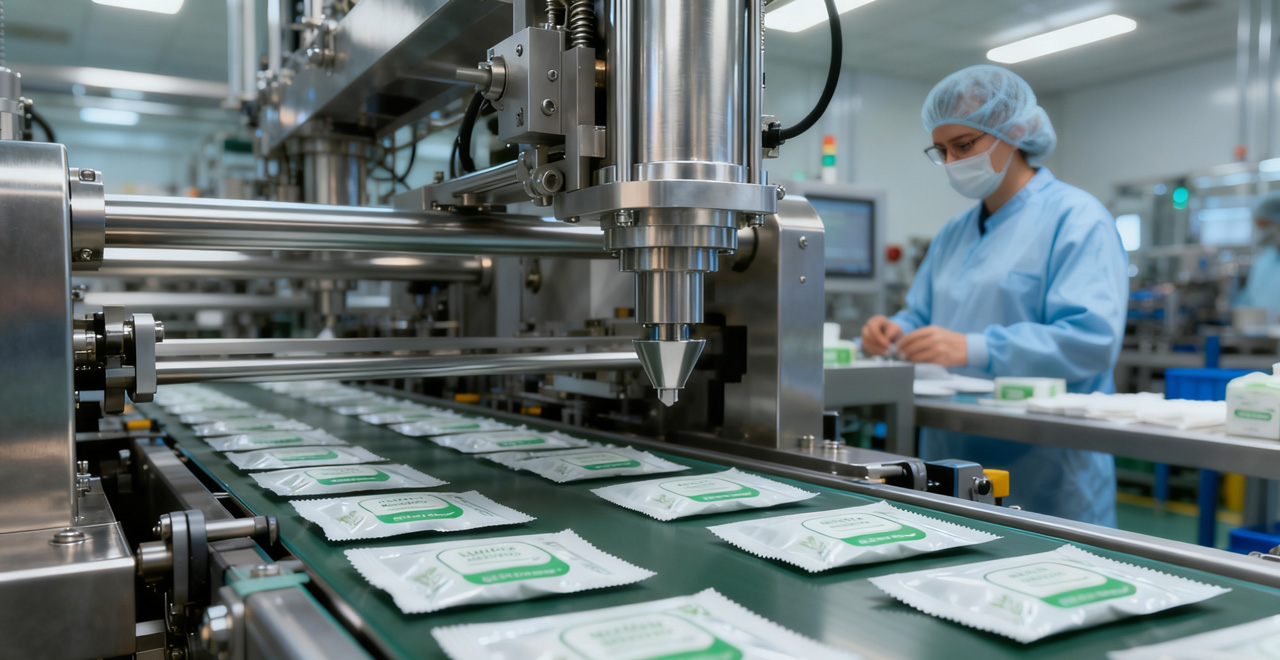 Think about the last time you grabbed a wipe from a bulky pack - how many came out stuck together? Single-sheet versions eliminate this frustration while offering surprising benefits beyond convenience.
Why Are Consumers Switching to Single-Sheet Format?
Ever opened a 100-pack wipes container only to find half dried out months later? Single-sheet wet wipes ensure every wipe stays fresh until use by sealing each one individually. This prevents the common issue of unused wipes drying out in traditional multi-sheet packages. The global market for single-sheet wet wipes grew 12% annually between 2021-2024, outpacing traditional wipes by nearly double. Let's examine why: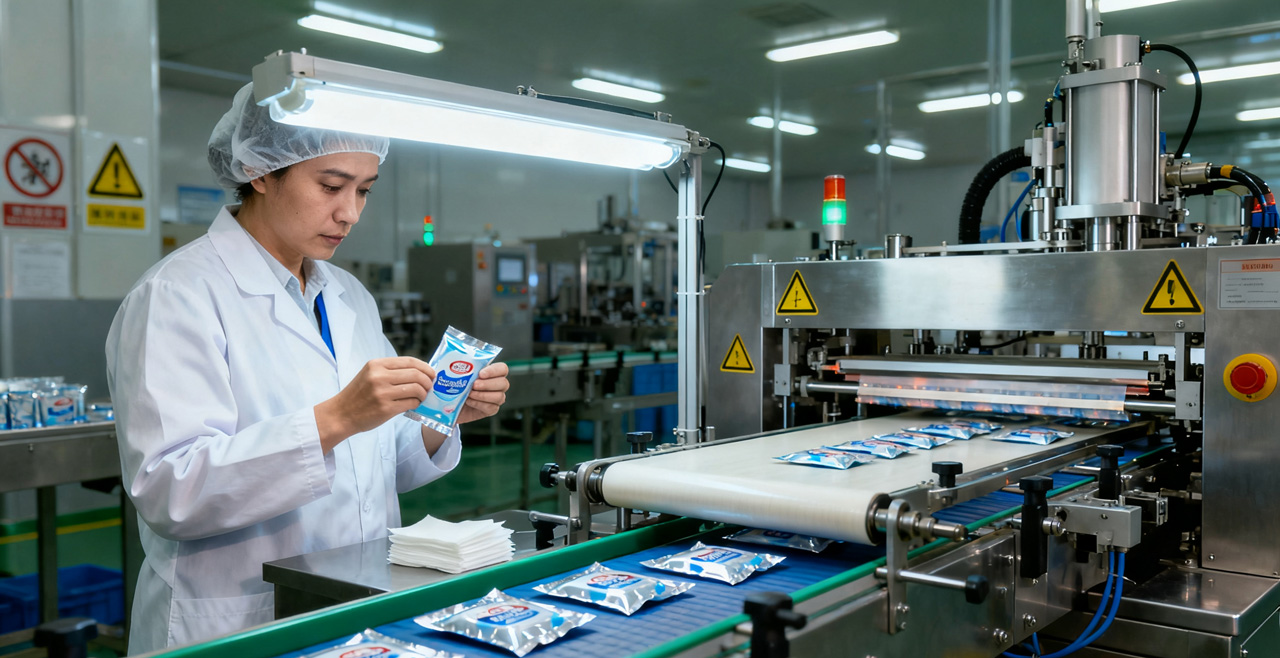
Key Advantages Driving Adoption
- 1. Hygiene Control
- 2. Environmental Factors
| Waste Type | Multi-Sheet | Single-Sheet |
|---|---|---|
| Dried wipes | 37% | 0% |
| Excess usage | 22% | 3% |
| Packaging | 15g plastic | 5g plastic |
- 3. Cost Efficiency
How Do Manufacturers Respond to This Trend?
What happens when consumer demand shifts practically overnight? Major brands rapidly reformulated products, with P&G reporting 14 new single-sheet SKUs launched in 2023 alone. The industry response focuses on three areas: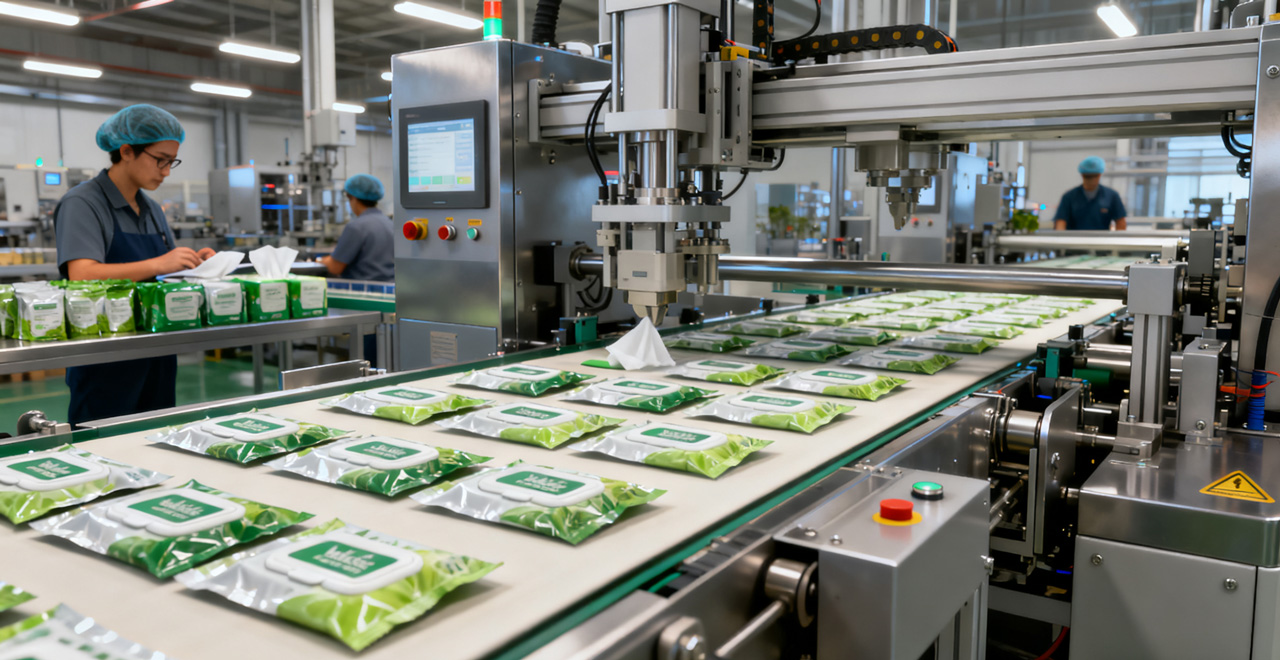
Innovation Breakthroughs
- 1. Material Science
- 2. Packaging Tech
- 3. Application Specialization
Will Single-Sheet Wipes Replace Traditional Formats?
Is this just another fleeting trend or the new standard? While single-sheet wipes currently represent just 17% of the global market, analysts project 45% penetration by 2028. The transition mirrors similar shifts seen in: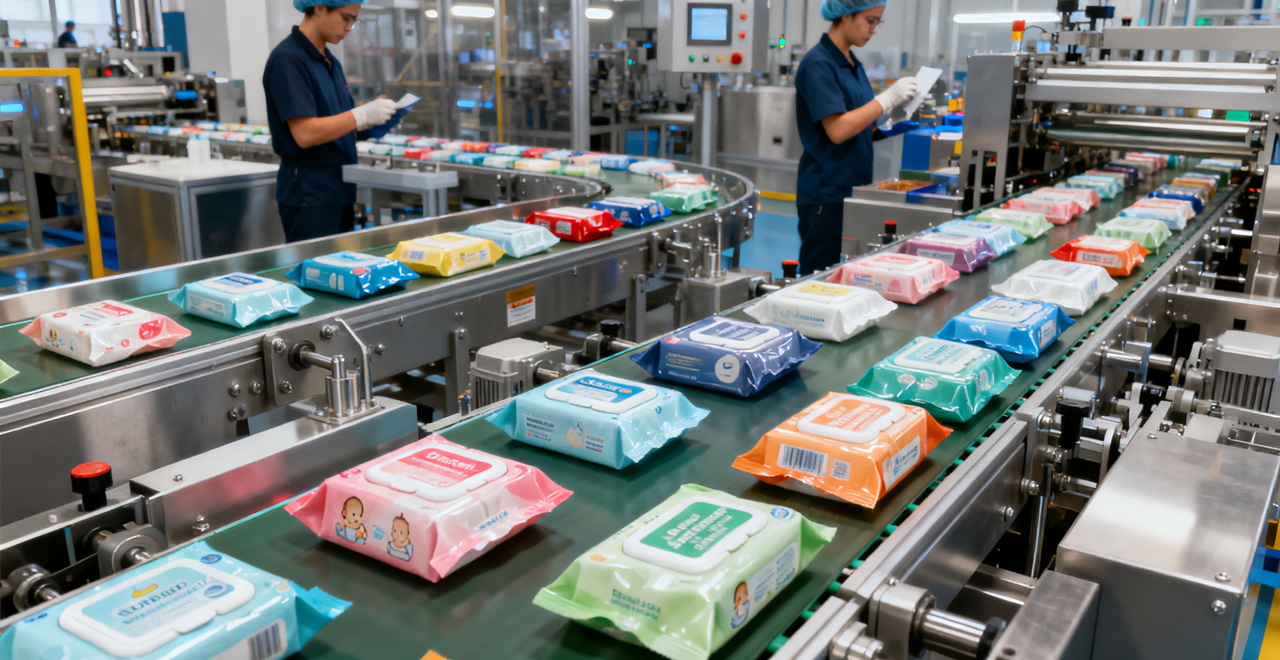
Future Development Pathways
- 1. Emerging Markets
- 2. Sustainability Pressures
- 3. Technology Integration
- Conclusion: Single-sheet wet wipes succeed by solving hygiene, waste, and environmental issues better than bulk packs, driving global market shifts.