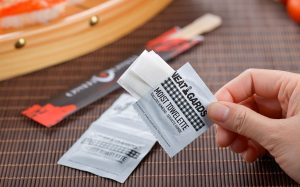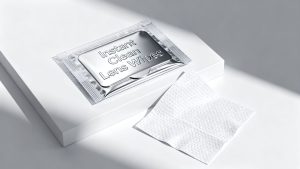


You've probably noticed how wipe packaging has changed lately. Brands are getting creative while addressing environmental concerns. Let's explore what's new in this niche.
The biggest trends focus on sustainability, smart features, and user-friendly designs that protect wipes while reducing environmental impact. These innovations help brands stand out while meeting consumer demands.
 ing")
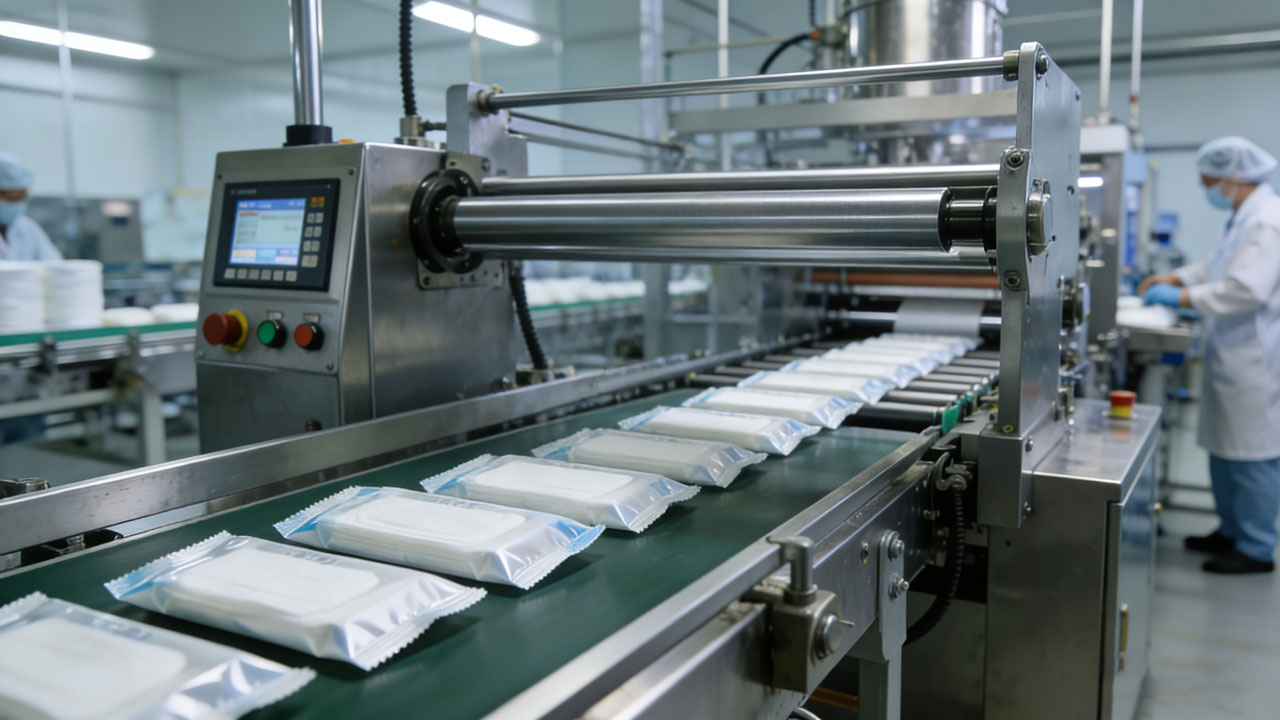
The packaging industry moves fast, especially for single-use products like wipes. Consumers want convenience but also care about sustainability. Brands respond with innovative solutions that don't compromise quality.
ing")
The packaging industry moves fast, especially for single-use products like wipes. Consumers want convenience but also care about sustainability. Brands respond with innovative solutions that don't compromise quality.
Why Are Sustainable Materials Dominating Wipe Packaging Now?
Environmental concerns drive major changes in packaging choices. Consumers reject traditional plastics that harm ecosystems. PLA films from corn starch and PBAT compostable materials now replace regular plastic for many brands. These plant-based options decompose faster without sacrificing moisture protection.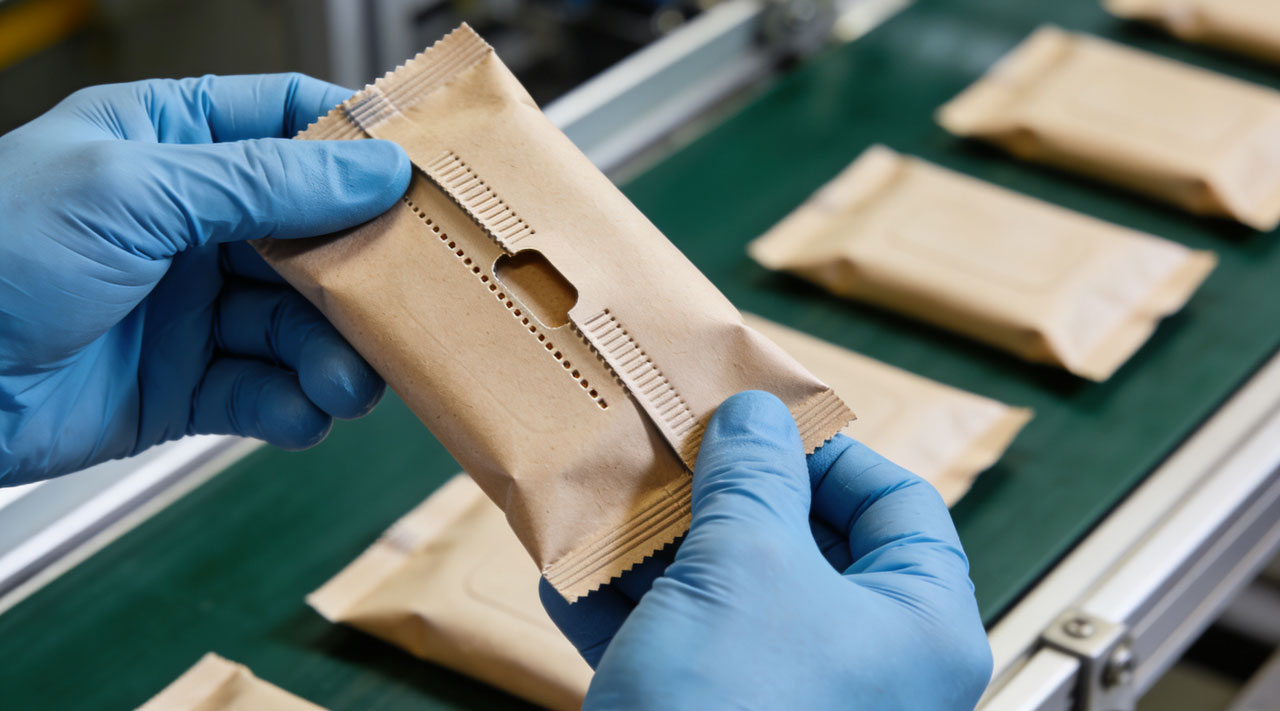 The shift toward sustainable materials involves several key developments:
Emerging Eco-Friendly Film Options
| Material Type | Benefits | Drawbacks | Best For |
|---|---|---|---|
| PLA (Corn-based) | Renewable, compostable | Higher cost | Short shelf-life products |
| PBAT | Fully biodegradable | Limited suppliers | Various wipe types |
| PVA | Water-soluble | Special disposal | Single-use applications |
| Mushroom-based | Totally natural | Early stage | Premium products |
How Are Packaging Designs Becoming More User-Friendly?
Opening wipe packages shouldn't feel like solving a puzzle. Brands now prioritize easy access without compromising seal quality. Precision tear-notches and grip textures help consumers open packs effortlessly. Some designs include resealable features for multi-use wipes that maintain moisture. Design innovations focus on three key areas:
Functional Improvements Changing User Experience
- 1. Opening Mechanisms
- 2. Visual Elements
- 3. Physical Features
What Smart Technologies Appear in Modern Wipe Packaging?
Packaging does more than contain products now. Interactive features create engagement and add value. Near Field Communication (NFC) tags and QR codes connect physical packages to digital content. Brands use these for instructions, promotions, and authenticity verification.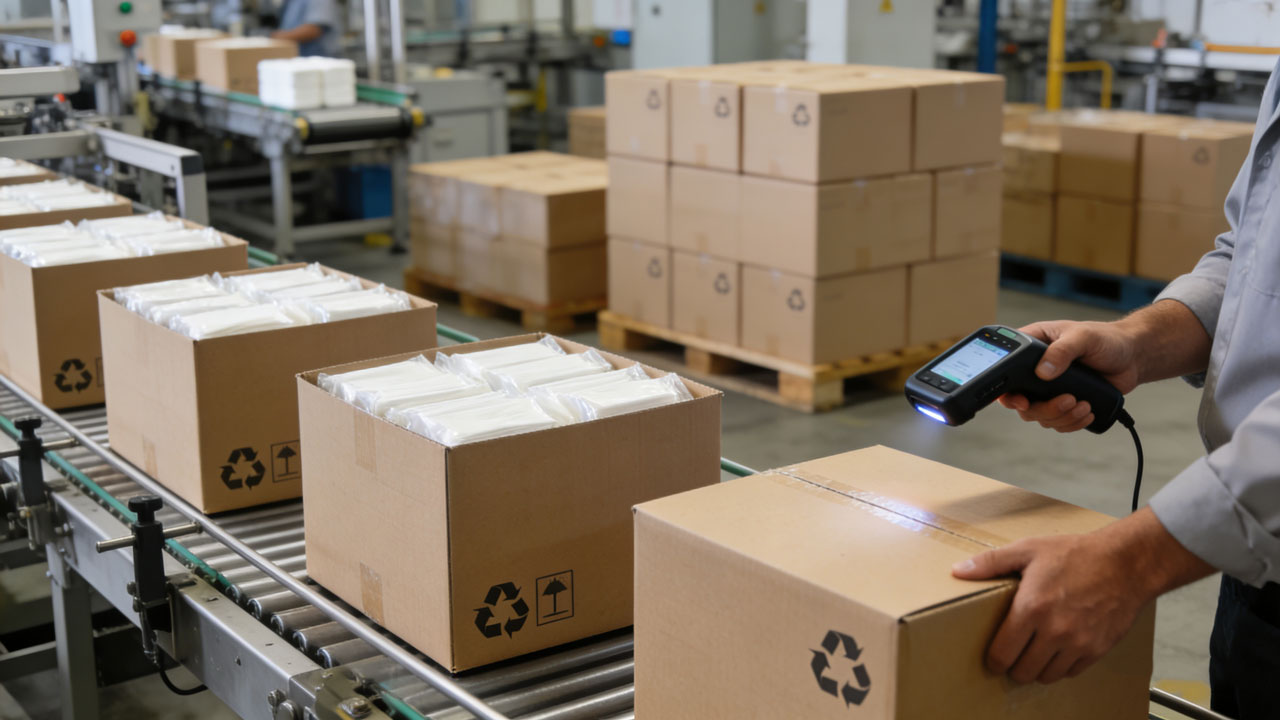 Advanced technologies serve multiple purposes:
Cutting-Edge Package Features
- Authentication Tools
- Information Access
- Product Protection